Things to Do in Mount Abu After You Get Off the Train
Mount Abu's Nakki Lake, Dilwara Temples and Guru Shikhar by real distance from Abu Road station, with the road transfer time and best trains to reach it.
 TrainLiveStatus Desk · Updated · 4 min read
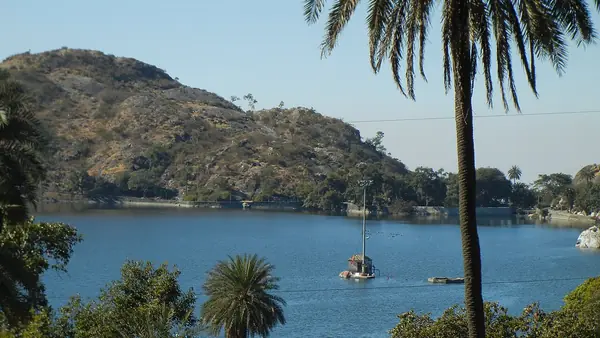
Photo: CorrectKnowledge, CC BY-SA 3.0
Mount Abu is Rajasthan's one true hill station, and it's the state's answer to the Aravalli range's highest point. The catch, like most hill stations, is that no train actually climbs up there. Abu Road, down on the plains, is the railhead, and everyone headed to Mount Abu makes the same hour-long drive up the hill from there.

Getting from Abu Road to Mount Abu town
Abu Road (ABR) station has buses and shared taxis waiting outside for the climb up to Mount Abu, roughly 28 to 30 km on a winding hill road that takes about an hour. State roadways buses run through the day and are the budget option; private taxis cost more but leave whenever you're ready, which matters if your train arrives late in the evening.
What's in Mount Abu town
| Place | Distance from Abu Road | Notes | Map |
|---|---|---|---|
| Nakki Lake | About 29 km (in Mount Abu town) | The town's social centre, boating and an evening walk | Map |
| Dilwara Temples | About 31 km (3 km beyond Mount Abu town) | Jain marble carving, among India's finest | Map |
| Guru Shikhar | About 45 km (15 km beyond Mount Abu town) | Highest point in the Aravalli range | Map |
| Mount Abu Wildlife Sanctuary | Around the town itself | Trails, viewpoints, occasional leopard sightings | Map |

Places in this guide
- Nakki Lake
- Dilwara Temples
- Guru Shikhar
- Mount Abu Wildlife Sanctuary
- Abu Road
- Honeymoon Point
- Abu Road station (ABR)railway station
My plan
Order stops the way you will visit them with the arrows. Saved on this device only.
Nakki Lake and the town centre
Nakki Lake is where most visitors spend their evenings, with paddle boats, a lakeside promenade and small shops and food stalls around it. Sunset Point, a short walk or drive from the lake, gets crowded but is a genuinely good spot to watch the sun go down over the hills. The town itself is compact and walkable, with the main market a short stroll from the lake.

The Dilwara Temples
The Dilwara Temples are the region's standout attraction: a cluster of Jain temples built between the 11th and 13th centuries, famous for marble ceiling and pillar carvings so fine they look more like lacework than stone. Photography isn't allowed inside, modest dress is expected, and non-Jain visitors are usually admitted only from around noon to 6 pm, so check current timings before you plan a morning visit. Most visitors spend an hour to ninety minutes here, and it's worth hiring one of the guides available at the entrance to point out details you'd otherwise miss.
Guru Shikhar: the highest point
Guru Shikhar, about 15 km beyond Mount Abu town, is the highest peak in the Aravalli range, with a small temple at the summit reached by a short flight of steps from the parking area. The views on a clear day stretch over a wide expanse of hills. This is best done as a half-day round trip by taxi from Mount Abu town, since public transport up here is limited.

A realistic one to two day plan
- Day 1 morning: Arrive Abu Road, taxi up to Mount Abu (about an hour), check in.
- Day 1 afternoon: Dilwara Temples, then back to the town centre.
- Day 1 evening: Nakki Lake boating and Sunset Point.
- Day 2 (if you have it): Morning trip to Guru Shikhar, afternoon at the wildlife sanctuary or a quieter viewpoint like Honeymoon Point, then back down to Abu Road for an evening train.
If you're doing this as a single long day trip from Abu Road, prioritise Nakki Lake and the Dilwara Temples; Guru Shikhar is better with a full day to spare rather than squeezed into a rushed itinerary.
Best time to visit
October to March is the most comfortable window, with cool days and genuinely cold nights, a rarity in Rajasthan and part of Mount Abu's appeal. April to June brings warmer weather that's still cooler than the plains below, making it a popular summer escape for travellers from Gujarat and Rajasthan. The monsoon, July to September, turns the hills green and the waterfalls active, but mist can limit visibility at viewpoints.
Trains that connect to Abu Road
Abu Road sits on the Ahmedabad to Jodhpur/Delhi corridor and is well served. Daily trains from Ahmedabad include the Aravali Express (14702), leaving at 04:35 and reaching Abu Road at 08:30, and the late-evening Suryanagari and Ranakpur Expresses. The Dadar-Ajmer SF Express (12989) (Mondays, Thursdays and Saturdays) and the weekly Garib Nawaz Express (16532) (Fridays) also stop here, so check running days before you book. Check live running status before your climb up the hill, since a late train can mean arranging your onward taxi after dark.
Food to try
Mount Abu's market around Nakki Lake has plenty of Gujarati and Rajasthani thali places, a reflection of how many visitors come from nearby Gujarat for the weekend. Street food stalls near the lake sell the usual chaat and snacks, and a few rooftop cafes overlooking the lake are popular for a slower breakfast or evening tea. Since it's a common weekend destination, restaurants can get busy on Friday and Saturday nights, so arrive a little early if you want a table with a view.
Getting around Mount Abu without a car
The town centre around Nakki Lake is walkable, but the further sights, Dilwara Temples, Guru Shikhar and the wildlife sanctuary's trailheads, need a vehicle. Shared jeeps and autos cover the Dilwara Temples route cheaply, while Guru Shikhar is best reached by a hired taxi for a half-day round trip, since public transport frequency up there is limited. If you're staying more than a day, negotiating a taxi for a fixed half-day rate covering two or three stops usually works out cheaper than paying for each leg separately.
What will Mount Abu cost you?
The grey numbers are rough placeholders, not quotes or prices we checked. Type your own figures; your entries stay on this device.
What to pack for Mount Abu
Use it on your trip
Frequently asked questions
How far are the main attractions from Mount Abu railway station?
Mount Abu has no station of its own. Abu Road, the nearest railhead, is about 28 to 30 km from Mount Abu town, roughly an hour by bus or taxi up the hill road.
What is the best time of year to visit Mount Abu?
October to March, for cool days and cold nights. April to June is warmer but still a relief from the plains, making it a popular summer hill station for nearby states.
Can Mount Abu's highlights be covered in a single day from the station?
Nakki Lake and the Dilwara Temples fit into a long single day trip from Abu Road. Guru Shikhar and the wildlife sanctuary are better with a second day, since the hour-long transfer each way already eats into a single day.
Is prepaid auto or taxi available right outside Mount Abu station?
There is no station in Mount Abu itself; at Abu Road station, buses and shared or private taxis wait outside for the climb up. Agree on the fare before you get in if it isn't a prepaid counter.
Which trains connect most easily to Mount Abu?
Abu Road, the gateway station, is served by trains on the Ahmedabad to Jodhpur and Delhi corridor, including the daily Aravali Express from Ahmedabad (04:35, reaching 08:30), plus the Dadar-Ajmer SF Express (three days a week) and the weekly Garib Nawaz Express.
Sources
Rules and fares change. Check the official source before you travel. Last reviewed 6 October 2026.