Child Helpline at Railway Stations: How It Works
What to do if you see an unaccompanied or distressed child at a station: the 1098 child helpline, RPF's role, and dedicated Child Help Desks explained.
 TrainLiveStatus Desk · Updated · 5 min read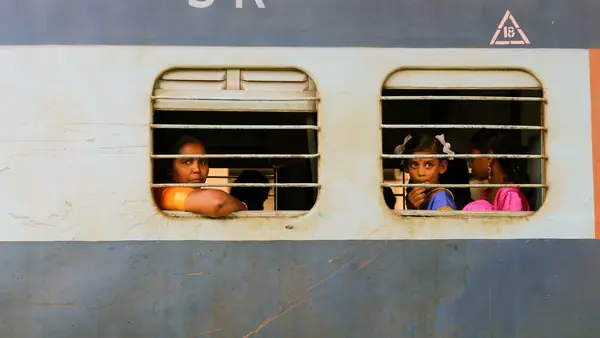
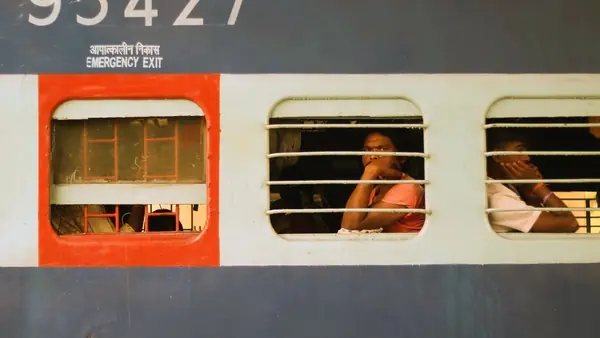
Photo: Juber Ahmed Sahel / Pexels


Big Indian stations are chaotic enough that a lost or unaccompanied child is a real, recurring problem, and the railway system has a specific, practical response for it, separate from the general helplines you'd use for a security or safety issue.
The number to call: 1098
1098 is India's national child helpline, long known as Childline and now run by the Ministry of Women and Child Development under Mission Vatsalya with state and district child protection units, and it works at railway stations exactly as it does anywhere else: a free, toll-free number you can call if you see a child alone, in distress, begging, or in a situation that looks unsafe. This is distinct from 139, the general railway enquiry, complaint and security helpline (139, press 1, handles what the old 182 security line used to before it was merged into 139 in 2021), though both ultimately connect to Railway Protection Force staff on the ground when the issue is at a station.
Do major stations have a dedicated child helpline booth?
Many do. Since 2015, when the Ministry of Railways and the Ministry of Women and Child Development signed a formal agreement to set up child protection infrastructure at stations, dedicated Child Help Desks have been established at a large and growing number of major railway stations across the country, staffed by child protection workers (earlier through Childline's partner NGOs, now under the government's child helpline system). These are typically positioned close to the RPF post or help desk, since the two work hand in hand: RPF handles the initial security response, and the Child Help Desk staff handle the child's immediate welfare and next steps.

How does this connect with RPF's response?
In practice, RPF is usually the first point of contact, since their personnel are stationed and patrolling round the clock, while help desk staff may not be present at every hour on smaller stations. If an RPF constable finds or is alerted to an unaccompanied child, standard procedure is to bring the child to the nearest help desk or RPF post, contact the child helpline through 1098 if there is no dedicated desk on site, and keep the child safe and supervised until a parent is found or the child is formally handed over to a childcare or protection body. This partnership is also why calling 139 or approaching any RPF officer works even at a station without a visible Child Help Desk: the RPF post can always initiate contact with 1098 on your behalf.
| Situation | What happens |
|---|---|
| Station has a Child Help Desk | Child is taken there directly by RPF or by you |
| No dedicated desk visible | RPF post contacts 1098 on the child's behalf |
| You spot the child, not RPF | Call 1098 or 139, or approach the nearest RPF post directly |
What should you do while waiting for help to arrive
- Stay with the child if it's safe to do so, rather than leaving them alone while you go find help. A frightened child left alone again only adds to the distress.
- Do not try to walk the child anywhere on your own to look for their family. Stay in one visible, well-lit spot, ideally near a platform announcement point or the nearest RPF post, so an announcement or search can locate you.
- Speak calmly and ask simple questions: a name, a parent's name, which train they were on, what the parent was wearing. Even partial information helps RPF and station announcements narrow the search fast.
- Flag down any railway staff, not just RPF specifically: a TTE, a coach attendant or a platform staff member can all radio ahead or get an RPF constable to you quickly.
- Once help arrives, stay briefly to give your account of where and how you found the child, since this detail matters for the follow-up process.

If your own child gets separated from you
Head immediately to the nearest RPF post or platform announcement point rather than searching the crowd yourself first. A station-wide announcement with your child's description and your location reaches far more of the platform than you can cover on foot, and RPF staff are trained to keep a found child in one place until you're brought to them, rather than moving the child around the station looking for you. If the separation happens right as a train is about to leave, checking that train's live status page can help RPF confirm which service and coach your child may have boarded, in case they ended up on board while you were still on the platform.
Preventing separation in the first place
On a crowded platform or during a rushed boarding, agree on a simple meeting point in advance, such as the coach door or a specific pillar number, and make sure an older child knows the family name and your phone number by heart, not just written on a tag that can fall off. Bright, easily spotted clothing helps too, especially at night or on a packed platform where a small child can disappear from view in seconds.
Why this matters beyond the obvious safety case
Large interchange stations, festival rush periods, and any crowded platform with multiple trains arriving close together are exactly when children get separated from families, often for just a few confused minutes that feel much longer. Knowing 1098 exists, and that RPF and the child helpline are already coordinated rather than separate systems you'd have to connect yourself, means the response is faster precisely when it matters most. It sits alongside our guides to the railway helpline for women (139, formerly 182) and the general RPF helpline as part of the same wider safety net Indian Railways runs across its stations.
Use it on your trip
Frequently asked questions
What number should I call if I see an unaccompanied child in distress?
Call 1098, India's national child helpline, or 139 (press 1), the railway helpline, which alerts RPF. You can also approach the nearest RPF post directly.
Do major stations have a dedicated child helpline booth?
Many do, set up under a framework agreed between the Ministry of Railways and the Ministry of Women and Child Development and now part of the government's child helpline system, usually positioned near the RPF post.
How does this connect with RPF's response?
RPF is typically the first point of contact since staff are present round the clock. They bring the child to the nearest Child Help Desk, or contact the child helpline through 1098 if the station doesn't have a dedicated desk.
What should I do while waiting for help to arrive?
Stay with the child in a visible, well-lit spot rather than searching the station yourself, ask simple questions like the child's name and which train they were on, and flag down any railway staff, not just RPF, to get help moving quickly.
Sources
- Ministry of Women and Child Development: Child Helpline 1098
- Railway Protection Force, Indian Railways
Rules and fares change. Check the official source before you travel. Last reviewed 29 September 2026.