How to Sleep Well on an Overnight Train
Practical tips for sleeping on an Indian overnight train: which berth to pick, what to pack, how bedding works by class, and how to handle noise.
 TrainLiveStatus Desk · Updated · 5 min read
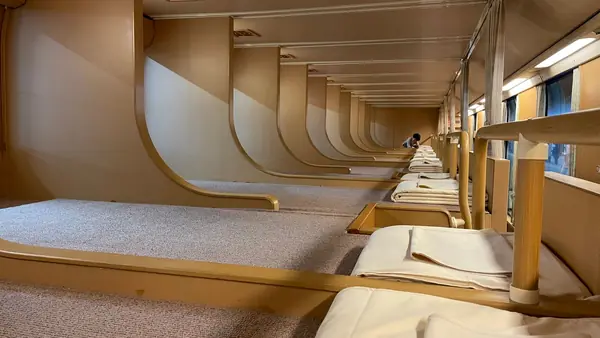
Photo: Takehiro Yokozeki / Pexels
A sleeper or 3AC berth is narrower than a single bed and the train does not stop moving just because you want to sleep. Most of the discomfort people report on their first overnight trip comes down to a handful of fixable things: the wrong berth, no eye mask, and not knowing when lights actually go off in the coach.
Pick the right berth for sleep, not just for booking speed
The lower berth is the easiest to sleep on if you value space and don't want to climb a ladder at midnight, but it also doubles as seating for middle and upper berth passengers outside the official sleeping hours of 10 pm to 6 am, and near the door it gets footfall through the night. The middle berth is meant to be lowered only during sleeping hours, 10 pm to 6 am, and is genuinely the most private option once it's set, since nobody else can use your space. The upper berth is the quietest and least disturbed once you're up there, good if you don't mind the climb and want to be left alone the whole journey. Side lower and side upper in 3AC and sleeper have less width but more airflow near the window.
What actually helps you sleep on a moving train
- Earplugs and an eye mask. Coach lights don't fully go off, conversations continue, and stations arrive at all hours with announcements and vendors. This one change fixes more sleep complaints than anything else.
- A thin travel pillow or neck pillow. Bedding is provided in AC classes but the pillow is often flat. A small inflatable or foam travel pillow for neck support makes a real difference on a berth that's narrower than a bed.
- A light sheet or shawl even in AC coaches. Air conditioning runs cold overnight and the provided blanket is often thin. Carry your own layer, especially in winter.
- Set an alarm before your stop, not after. Long-distance trains sometimes run early, and a missed stop means a much longer detour back. Check the live running status for your train an hour or two before your scheduled arrival so you know roughly when to wake up.
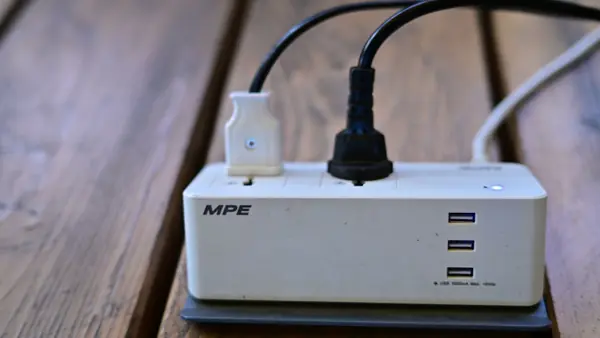
- Charge your phone before boarding. Charging points exist in most AC coaches but not always at every berth, and sleeper class has fewer of them.
Is the upper or lower berth better for sleeping
For pure sleep quality, upper wins: nobody sits on it before bedtime and nobody needs to climb over you to reach a bag under the seat. Lower wins for convenience, especially if you have knee problems, are travelling with a young child, or are getting off at an odd hour and don't want to climb down half asleep. If two of you are booking together, one upper and one lower (or a lower and a side lower) often works better than two lowers, since it splits the difference between comfort and privacy.
| Berth | Best for | Trade-off |
|---|---|---|
| Lower | Easy access, elderly or unwell passengers, families | Doubles as seating until 10 pm, more foot traffic |
| Middle | Privacy after it folds down | Meant for use from 10 pm to 6 am, limited headroom |
| Upper | Quietest, least disturbed | Ladder climb, closer to the lights and AC vents |
| Side lower/upper | More airflow, window view | Shorter berth width, near the aisle noise |
Should I bring my own pillow
If you sleep on your side or have any neck sensitivity, yes. AC classes (1AC, 2AC, 3AC and 3E, except Garib Rath trains) provide a pillow, sheets and blanket as part of the fare, but these are standard hotel-style pillows, not orthopaedic ones, and quality varies by zone and laundry contractor. Sleeper class does not provide bedding at all, so if you're booked in sleeper on a cold-weather route, carry a shawl or light blanket along with your own pillow.
How do I deal with noise from other passengers
Indian train coaches are shared spaces and conversations, phone calls and children don't stop just because it's late. A few things help: pick a berth away from the door if noise bothers you, since that's where boarding and detraining passengers gather at every stop. Earplugs solve most of it. If a specific passenger is being genuinely disruptive late at night, you can ask the TTE or coach attendant to step in, since maintaining order in the coach at night is part of their job.
Timing your sleep around the journey
Official sleeping hours are 10 pm to 6 am, when main lights are expected to go off, and the coach starts waking up an hour or so before the first major morning stop, driven by chai vendors and passengers preparing to get off. If your own stop is very early, say before 5 am, tell the coach attendant when you board so they can wake you, and set a phone alarm as backup since attendants handle a full coach and can miss one request. Checking the live running status for your train before you sleep gives you a realistic sense of whether it's running on time or a couple of hours behind, which changes how much sleep you'll actually get before your stop.
A short pre-sleep checklist
- Berth made, shoes off, bag locked to the berth chain
- Phone charged or on charge, alarm set for a reasonable buffer before arrival
- Eye mask and earplugs out, water bottle within reach
- Checked the trip planner or train page for the exact scheduled arrival at your stop so the alarm time is realistic, not a guess
None of this needs special gear. A basic eye mask, earplugs and a decision about which berth to book solve most of what makes a first overnight train trip feel harder than it needs to be. For more on choosing the right berth for your situation, see our full berth guide.
What to pack
Use it on your trip
Frequently asked questions
What can I do to sleep better in a moving train?
Carry an eye mask, earplugs and a light travel pillow, since these fix most of what disturbs sleep on a train: coach lights, conversation and a thin standard pillow. Set your alarm with a buffer before your stop rather than relying only on the attendant.
Is the upper or lower berth better for sleeping?
Upper is quieter and undisturbed since nobody sits on it before bedtime. Lower is easier to access and better for elderly passengers or an early exit, but it doubles as shared seating until the 10 pm sleeping hours begin.
Should I bring my own pillow?
It helps. AC classes provide a standard pillow, sheet and blanket, but quality varies. Sleeper class provides no bedding at all, so carry a shawl or light blanket if you're travelling sleeper in cold weather.
How do I deal with noise from other passengers?
Earplugs handle most of it. Choose a berth away from the coach door since that's where boarding and detraining traffic gathers at stops, and ask the TTE or coach attendant to step in if a specific passenger is genuinely disruptive late at night.
Sources
Rules and fares change. Check the official source before you travel. Last reviewed 6 October 2026.