Packing Checklist for a Long Train Journey
What to actually pack for an overnight Indian train: bedding rules by class, easy-to-forget essentials, and how to organise bags so nothing is out of reach.
 TrainLiveStatus Desk · Updated · 4 min read

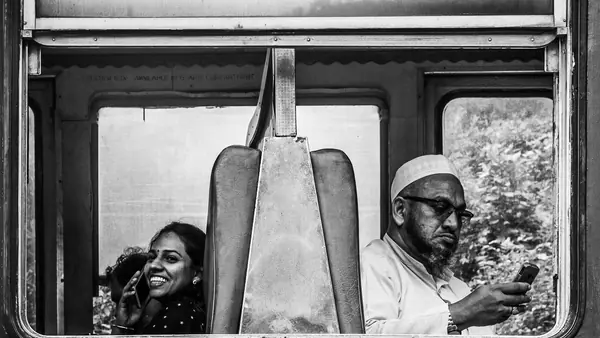
Photo: Pew Nguyen / Pexels
A long train journey in India rewards a bit of packing discipline. Bags go up on overhead racks or under lower berths, not in an overhead bin you can reach anytime, so what you might need mid-journey has to be within arm's reach from the start.
What to pack for an overnight AC train
| Category | Items |
|---|---|
| Documents | ID proof, printed or downloaded e-ticket, hotel confirmations |
| Sleep | Light shawl or stole, eye mask, earplugs, travel pillow |
| Electronics | Phone, charger, power bank, earphones |
| Hygiene | Wet wipes, hand sanitiser, small towel, toothbrush kit, tissue roll |
| Food and water | Sealed snacks, an empty bottle to refill, electrolyte sachets |
| Comfort | Socks, a light jacket even in summer, flip-flops for the toilet |
What to pack
Do you need your own bedding?
In 1AC, 2AC, 3AC and 3E, bedding (a pillow, two sheets, a blanket and a hand towel) is included in the fare on reserved sleeper trains. The main exception is Garib Rath trains, where bedding is not part of the fare and is supplied on payment. Sleeper class and general coaches have no bedding included in the fare. If you are booked in Sleeper, or you simply prefer your own sheet over a shared one, carry a lightweight sleeping bag liner or a single bedsheet you can fold small. It takes almost no space and solves the biggest overnight-Sleeper complaint: a bare, sometimes dusty berth.
Small items that are easy to forget
- A padlock and chain for your main bag, especially in Sleeper and general classes where berths are less enclosed.
- A rubber door wedge or extra chain, useful in some older coaches where the internal latch on the toilet or cabin door is loose.
- A pen, for any form you may need to fill, such as a complaint or a lost-property report.
- Cash in small denominations, for tea, snacks or a rickshaw at a station with patchy card or UPI acceptance.
- A basic first-aid kit: paracetamol, an antacid, an oral rehydration sachet, a plaster or two, and any personal prescription medicine, since pharmacies are not guaranteed at every stop.
- A dry snack bag that survives heat, so you are not dependent on catering or a station platform stall at 2 a.m.
How to pack so essentials stay within reach
Use two bags, not one. A small daypack or sling bag holds what you will touch repeatedly: phone, charger, wallet, water bottle, snacks, tickets and any medicine. Keep it with you at your seat or berth, never in the overhead rack. Your main suitcase or duffel, with clothes and anything you will not need until arrival, goes up on the rack or is chained under the lower berth if you have one. This two-bag habit alone prevents most of the "climbing back up to the rack at midnight" problem on a crowded train.
Do not pack gas cylinders, gas stoves, crackers, any flammable liquid, acids or strong-smelling food like dried fish in bulk. These are prohibited under the Railways Act and can lead to a fine, confiscation, or worse if there is an onboard incident traced back to them.
What to wear
Loose, breathable clothing works best for the journey itself, regardless of the season, since AC coaches run cool and the platform can be hot. Layer with a shawl or light jacket you can put on or take off rather than packing a heavy sweater you will not use until you're off the train. Closed shoes or slip-on sandals are more practical than anything you have to bend down to fasten repeatedly, especially for late-night station stops.

A short checklist you can screenshot
- ID proof and ticket (digital and, if possible, a screenshot backup)
- Power bank, charged, plus your usual charging cable
- Water bottle, refillable, plus one sealed bottle for the first few hours
- Snacks that survive heat: biscuits, namkeen, dry fruit, fruit that doesn't bruise easily
- A light shawl or stole, even in peak summer
- Wet wipes and hand sanitiser
- A basic first-aid kit and any personal medicine
- A padlock for your main bag
- Cash in small notes
- Your own bedsheet if travelling Sleeper or general class
For what to actually eat rather than just carry, our guide to food delivery to your seat at major stations covers a good fallback for when packed snacks run out, and our guide to choosing the best berth is worth reading before you book, since it affects how much of this list you'll actually need.
One more thing: keep valuables split up
Do not carry all your cash, cards and phone in one pouch. Split them between your daypack and a money belt or inner pocket, so a single lost or stolen bag does not end your trip. This matters more on long overnight legs through multiple states, where a lost wallet at 3 a.m. is far harder to sort out than at a city station in daylight. Our guide to valid ID proofs covers which documents you actually need to carry, so you are not overpacking papers you don't.
Use it on your trip
Frequently asked questions
What should I pack for an overnight AC train?
Your ID and ticket, a light shawl since AC coaches run cold, a power bank, wet wipes, a refillable water bottle, snacks that survive heat, and a small first-aid kit with any personal medicine.
Do I need my own bedding or blanket?
1AC, 2AC, 3AC and 3E fares include bedding, except on Garib Rath trains, where it is paid. Sleeper and general class do not provide any, so carry a light sheet or sleeping bag liner if you are booked in those classes or simply prefer your own.
What small items are easy to forget but useful?
A padlock for your bag, small-denomination cash, a basic first-aid kit, a pen for any form you may need to fill, and dry snacks that don't spoil in the heat.
How should I pack to keep essentials within reach?
Use two bags: a small daypack with everything you'll need en route, kept at your seat, and a main bag with the rest, locked and stored on the overhead rack or chained under a lower berth.
Sources
Rules and fares change. Check the official source before you travel. Last reviewed 4 October 2026.