Best Food to Carry on a Train Journey
India-specific food ideas that actually hold up on a long train journey, how much to pack, what is not allowed, and good options for travelling with kids.
 TrainLiveStatus Desk · Updated · 4 min read
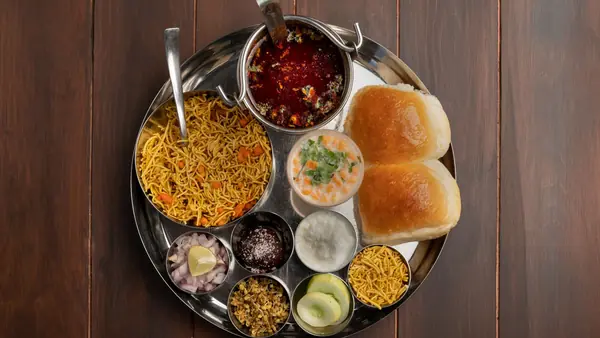
Photo: Aditya Mara / Pexels
The right train food is not necessarily what you would pack for a picnic. It has to survive heat, a bumpy overnight ride, and being opened and closed a few times without spoiling, all while not annoying the other people sharing your bay.
What travels well without refrigeration
Dry, low-moisture food is the safest bet on anything over a few hours. Parathas made with less oil, thepla, puri-sabzi with a dry vegetable rather than a gravy, and dhokla all hold up reasonably well for 10 to 12 hours if packed properly, especially in cooler months. Beyond home-cooked food, packaged and shelf-stable options are the backbone of any long journey: biscuits, khakhra, roasted chana and makhana, dry fruits, and sealed namkeen mixes do not need to be refrigerated and survive rough handling in a bag.
| Journey length | Good choices | Avoid |
|---|---|---|
| Up to 6 hours | Home-cooked dry items, fresh fruit, sandwiches | Anything with a cream or dairy-based gravy |
| 6-15 hours | Parathas, thepla, dry sabzi, packaged snacks | Rice-based dishes with gravy, cut fruit exposed to air for long |
| Over 15 hours | Packaged and shelf-stable food, station or pantry meals | Any home-cooked item made more than a day ahead |
How much food to pack for an overnight journey
Plan for one full meal you eat within the first few hours of boarding, when it is freshest, and snacks rather than a second full meal for later, since a second home-cooked meal 10+ hours old is a real food-safety risk in a moving train without refrigeration. For anything beyond that first meal, lean on packaged snacks, fruit that travels well like bananas or apples, and either the pantry car or station food if the train has a meaningful stop. Overpacking home food for a long trip is a common mistake; a smaller amount eaten fresh early is safer than a large tiffin meant to last the whole journey.
What to pack
Are there food items not allowed on trains?
Yes, though the restrictions are less about specific dishes and more about strong odours and safety. Very strong-smelling food in large quantities, such as bulk dried fish, is discouraged since coaches are shared, enclosed spaces, and any item that could be mistaken for or actually is a fire risk, like carrying a portable stove or fuel to cook or reheat food on board, is against the rules and genuinely dangerous in a coach. A packed tiffin or snack box for personal use is completely normal and expected; the issue is only ever about bringing along a way to cook, or about food that is disruptive to everyone around you.

Good options if you're travelling with kids
- Familiar, mess-free snacks your child already eats regularly rather than something new, since a moving train is not the place to discover a food doesn't agree with them.
- Individually portioned items like small fruit, cheese cubes if you'll eat them within a few hours, or single-serve packets, which are easier to manage than one large shared box.
- A reusable bottle with a good seal for water or milk, to avoid spills on a bumpy stretch of track.
- A couple of "boredom snacks" that take time to eat, like small dry fruit or seeds in a shell, which double as something to occupy restless hands.
When packed food runs out
Long-distance trains with a pantry car offer meals you can order through the attendant, and at major stations, vendors and platform stalls sell tea, snacks and sometimes full meals during a halt, and in non-AC coaches vendors also sell through the window. Checking your train's live running status before you reach a big station tells you how long the halt actually is, so you know whether there's time to step out for something hot or whether you should stick to what a vendor can hand through the window. In cities with the service, food delivery apps can also deliver a fresh meal to your seat at a scheduled stop if you order ahead of time with your PNR, coach and berth number. This is worth knowing about specifically for the second half of a very long journey, when packed food has run out and a fresh, hot meal is more appealing than another packet of biscuits.
A short packing rule of thumb
Pack less than you think you need for day one, and treat anything beyond that as a top-up from the pantry, a station stall or a delivery order rather than something to carry from home. This keeps your bag lighter, avoids the food-safety risk of very old home-cooked food, and still leaves you covered if a stretch of the journey has no good food options nearby. For the rest of what to bring on a long trip, see our full packing checklist, and for ordering a fresh meal mid-journey, our guide to food delivery on trains covers exactly how that works.
Use it on your trip
Frequently asked questions
What food travels well without refrigeration on a long trip?
Dry items like parathas, thepla, dhokla and puri with a dry sabzi hold up for 10-12 hours if packed with less oil and moisture. Packaged snacks, roasted chana, dry fruit and khakhra survive far longer without any special care.
How much food should I pack for an overnight journey?
One full, fresh meal for the first few hours, then snacks rather than a second home-cooked meal, since food made a day or more ahead without refrigeration is a real safety risk on a long journey.
Are there any food items not allowed on trains?
There's no ban on ordinary packed food, but very strong-smelling items in bulk are discouraged in shared coaches, and any cooking equipment like a portable gas stove or cartridge is strictly prohibited as a fire risk.
What are good options if I'm travelling with kids?
Familiar, mess-free snacks they already eat, individually portioned fruit or packets, a well-sealed bottle for spill-free drinking, and a couple of slow-to-eat snacks that also help pass the time.
Sources
Rules and fares change. Check the official source before you travel. Last reviewed 4 October 2026.