Foreign Tourist Quota: How Visitors Book Train Tickets
How foreign visitors book Indian train tickets under the tourist quota, what documents and payment methods are needed, and how it differs from normal IRCTC booking.
 TrainLiveStatus Desk · Updated · 5 min read

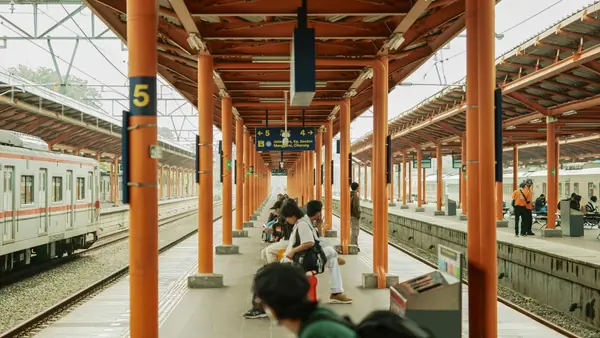
Photo: Gustavo Fring / Pexels
India's train booking system sets aside a small, separate pool of berths specifically for foreign visitors on many popular long-distance trains, known as the Foreign Tourist Quota (FTQ). It exists because the regular quota on a popular route can sell out weeks ahead, which would otherwise make spontaneous train travel very difficult for someone visiting the country without months of advance planning.
What documents does a foreign tourist need to book under this quota?
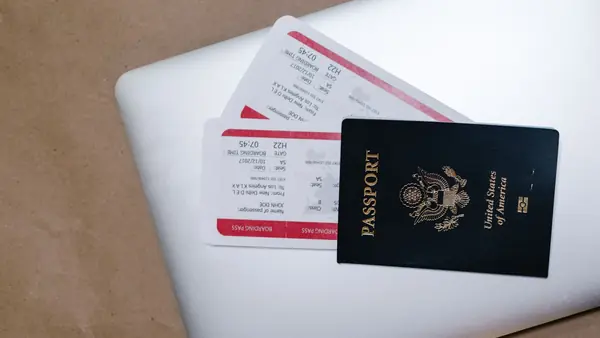
Booking online, you enter a valid passport number and nationality for every passenger, and you first register on irctc.co.in and verify an international mobile number in your profile with an OTP. IRCTC's terms say payment is accepted only through an international debit or credit card. IRCTC charges a registration fee of Rs 100 plus GST for international and NRI users and a service charge of Rs 200 plus GST per ticket. You must carry the original passport with a valid visa on the journey: IRCTC's terms say a passenger who cannot show it is treated as travelling without a ticket and charged a penalty of three times the ticket fare. Counter booking at an International Tourist Bureau has its own payment and document rules that we could not confirm from IRCTC's published terms, so ask the bureau before you go. Rules can change, so check IRCTC's foreign tourist booking page before you book.
Is this quota only for foreign nationals or also NRIs?
IRCTC's foreign tourist booking page says foreign tourists, including NRIs, who hold a valid passport can use the quota online. NRIs and international users must have an international mobile number verified on their IRCTC profile. Many NRIs also simply book through the regular IRCTC system if they have an Indian mobile number and payment method. IRCTC's page does not mention PIO or OCI cardholders, so if you hold one of these and are unsure which channel applies, ask IRCTC before you book.
How is it different from booking on the normal IRCTC site?
| Regular IRCTC booking | Foreign Tourist Quota | |
|---|---|---|
| Who books | Any IRCTC account holder | Foreign tourists and NRIs with a valid passport, per IRCTC |
| Payment | Indian payment methods (UPI, cards, net banking) | International debit or credit card (online) |
| Quota pool | General/other regular quotas | A separate, smaller allocation |
| Where to book | irctc.co.in or the app | IRCTC online (Services, then Foreign Tourist Ticket Booking), or an International Tourist Bureau at major stations |
The regular quota and the tourist quota draw from separate pools of berths on the trains where FTQ applies, so a train showing as sold out in the general quota can still have FTQ seats available, and vice versa. The quota is designed to give visiting tourists a better shot at a berth on a popular route.
Which trains and classes are covered under tourist quota?
IRCTC's terms allow FTQ booking in Executive Class, 1A, 2A, 3A, AC Chair Car, Sleeper and Second Sitting on trains including Shatabdi, Rajdhani, Duronto and Gatimaan, but not on Suvidha trains. A train's FTQ allocation depends on the train and date, so check availability for your specific train through the booking channel. Be aware of the price: IRCTC's terms say FTQ berths are charged at 1.5 times the normal fare, with no concessions, and full adult fare for every passenger aged 5 and above. If your chosen train has no FTQ berths, you can book through the regular system and plan further ahead, especially during India's busier tourist season from October to March.
Practical tips for first-time visitors
Book as early as your travel plans allow: IRCTC says foreign users can book up to 365 days ahead, with berths allotted once the normal 60-day booking window opens for that date. The FTQ pool is limited and popular routes during peak tourist season can still fill up. If you're new to Indian train travel generally, our guide on first-time train traveller tips covers the basics of finding your coach, checking your ticket status and general station etiquette, useful alongside the FTQ-specific process covered here. Keep a printed or downloaded copy of your ticket along with your original passport and visa. Two more FTQ rules to know: names cannot be changed on an FTQ ticket, and cancellations lose a flat 50 percent of the fare on top of the usual cancellation charges.
What to do if FTQ is unavailable on your preferred train
If your first-choice train shows no FTQ availability, check the trip planner for alternative trains on the same route and their general seat availability, since a slightly different departure time or a marginally slower train may still have room. Booking through the regular quota is also an option if you're comfortable navigating IRCTC's standard booking flow and have an Indian payment method; the FTQ exists as a convenience for visitors, not the only route available to them.
Checking your ticket and journey once booked
Once your FTQ ticket is confirmed, track your train's live running status in the days before departure the same way any passenger would, since delays apply equally regardless of which quota your ticket came from. If your itinerary is tight and depends on a punctual arrival, particularly around a festival period covered in our guide on planning travel around the festival rush, build in some slack, since India's busiest travel periods can affect any train regardless of quota.
Why booking further ahead still matters with FTQ
The Foreign Tourist Quota widens your options, it does not guarantee a seat on any train you fancy on short notice. Popular routes during the October to March tourist season, especially trains connecting well-known circuits like Delhi, Agra and Rajasthan, see real demand even within the FTQ pool. Treat the quota as a better starting point than the fully-booked regular allocation, not as a reason to leave booking until you've already landed in India.
Use it on your trip
Frequently asked questions
What documents does a foreign tourist need to book under this quota?
A valid passport number and nationality for every passenger, and a verified international mobile number on your IRCTC profile. You must carry the original passport with a valid visa while travelling. Check IRCTC's current terms before booking.
Is this quota only for foreign nationals or also NRIs?
IRCTC's foreign tourist booking page says foreign tourists, including NRIs, holding a valid passport can use it. It does not mention PIO or OCI cardholders, so ask IRCTC if you hold one.
How is it different from booking on the normal IRCTC site?
It draws from a separate pool of berths, is booked from the Foreign Tourist Ticket Booking link under Services, accepts only international cards online, and per IRCTC's terms costs 1.5 times the normal fare with a flat 50 percent deduction on cancellation.
Which trains and classes are covered under tourist quota?
IRCTC's terms allow EC, 1A, 2A, 3A, CC, SL and 2S on trains including Shatabdi, Rajdhani, Duronto and Gatimaan, but not Suvidha trains. Availability depends on the train and date.
Sources
- IRCTC: Foreign Tourist Quota Booking
- IRCTC: Foreign Tourist (FT) Quota Ticket Booking General Terms and Conditions
- IRCTC: Foreign Tourist (FT) Quota in IRCTC Trains
Rules and fares change. Check the official source before you travel. Last reviewed 16 November 2026.