Winter Train Travel Tips for North India
How to plan a north India train trip in winter: how much slack to build in for fog, what to pack for a cold AC or sleeper coach, and when to check your train.
 TrainLiveStatus Desk · Updated · 4 min read
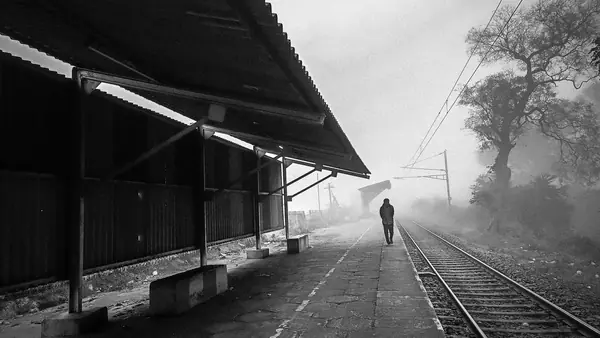
Photo: Priyanshu Das / Pexels
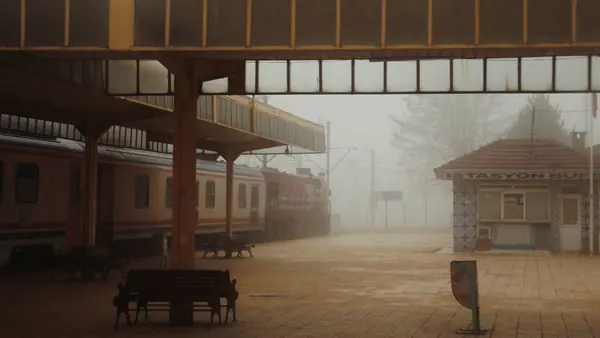
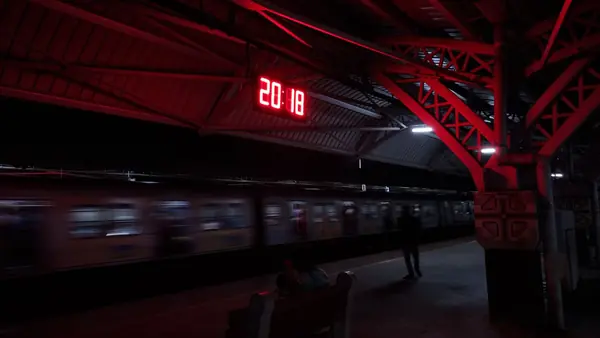
Winter in north India means two separate things for train travellers: genuinely cold nights on an unheated coach, and the very real chance of a multi-hour delay from dense fog, especially through late December and January. Planning for both makes the difference between a smooth trip and a miserable one.
Budget extra time for delays
Dense fog across the Indo-Gangetic plain, roughly Punjab, Haryana, Delhi, western and central Uttar Pradesh and parts of Bihar, regularly drops visibility low enough that trains have to slow down sharply for safety, even on routes with modern signalling. This isn't a rare event in peak winter, it's close to routine on some mornings between mid-December and mid-January.
Build real slack into any plan that depends on a winter train arriving on time: a connecting train, an early meeting, a flight booked for the same morning. A delay of two to four hours on a fog-affected route in this window isn't unusual, and on a bad day it can run longer. Our guide to why trains run late covers fog delays in more depth, and checking a specific train's punctuality history before you book gives you a realistic sense of how that particular route has been running recently.
What to pack for a cold overnight AC coach
AC coaches in winter swing between two problems: either the AC is still running cold overnight the way it would in summer, or it's been adjusted but still leaves the coach cooler than you'd expect for the season. Either way, don't rely on the coach's climate control alone.

- A proper layer, a fleece or a light jacket, even if you're travelling AC. The bedroll blanket supplied in AC 1, 2 and 3 tier is often thin, and chair car gets no bedding at all.
- Socks and something to cover your head and ears if you run cold at night, since AC coaches can genuinely dip to an uncomfortable temperature by the early morning hours.
- A scarf or stole doubles as an extra layer around the neck and as a makeshift eye cover for blocking out coach lighting.
- Hot water or tea from the pantry or a station vendor helps more than you'd expect on a long, cold overnight leg.
What to pack
Does non-AC class get uncomfortably cold?
Yes, more than most first-time winter travellers expect. Sleeper class windows and doors let in a fair amount of draft, and there's no heating to counter it, only whatever you're wearing and carrying. A north India winter night in sleeper class genuinely calls for a proper blanket or sleeping bag if you're sensitive to cold, not just a light shawl. If you have a choice and the route runs through the coldest stretch of the plains overnight, paying for an AC class ticket is worth it mainly for the sealed windows and closed doors, which keep out the cold air, plus bedding in the sleeper-berth AC classes.
Which routes see the most winter disruption
The fog belt is the Indo-Gangetic plain: Punjab, Haryana, Delhi, Uttar Pradesh and Bihar, with long-distance trains that cross it picking up delay they carry all the way to Kolkata, Mumbai or the south. Peninsular and southern routes are largely spared. Our fog-season delays by route post goes corridor by corridor; this page is about how to travel comfortably through it.
| Your plan | Winter rule of thumb |
|---|---|
| Connecting train at the next junction | Book the second train on a separate day, or leave half a day of slack |
| Flight after an overnight train | Keep at least a few hours between scheduled arrival and check-in |
| Morning meeting on arrival | Travel a day earlier, or pick an earlier train |
| Pickup at the station | Leave home only after checking live status |
Railways also cancel, short-terminate or reduce the frequency of some trains through the fog months, usually announced in advance for December to February. Check your train's running status a day before, not just at booking.

A few more practical points
Layer rather than bundle into one heavy coat, since coaches vary a lot in actual temperature and you'll want to adjust through the journey rather than commit to one setting. Carry a printed or downloaded copy of anything time-sensitive at your destination, in case a long delay means you're checking things on a low phone battery after an unexpectedly long journey. And if you're travelling with young children or elderly family members on an overnight winter route, the extra blanket and warm layer matters more for them than for anyone else in your group, since they feel the cold faster and recover from a rough night slower.
If you're picking someone up at the station
Winter fog delays hit pickups especially hard, since a train that's several hours late often means someone waiting in the cold at an open platform rather than indoors. If you're the one doing the pickup, check the live running status shortly before you'd normally leave rather than trusting the scheduled time, and again once you're on the way, since fog delays can extend further with little warning on the worst mornings. A short buffer built into when you actually leave home saves a long, cold wait for both of you.
Use it on your trip
Frequently asked questions
How much extra time should I budget for winter delays?
On the Delhi-Punjab-western UP corridor between mid-December and mid-January, budget at least a few hours of slack for any tight connection or morning departure, since fog delays of two to four hours are common in that window.
What should I pack for a cold overnight AC coach?
A proper layer like a fleece or light jacket, socks, something to cover your ears, and don't rely on the provided blanket alone since it's often thin.
Does non-AC class get uncomfortably cold?
Yes, sleeper class windows and doors let in real draft with no heating to counter it. Carry a proper blanket or sleeping bag, check that your window shutter closes, and prefer a berth in the middle of the coach away from the doors.
Which routes are most affected by winter disruption?
The Indo-Gangetic plain, from Punjab and Delhi through Uttar Pradesh to Bihar, sees the heaviest fog delays, and long-distance trains crossing it carry the delay onward. Peninsular and southern India largely escape fog disruption.
Sources
Rules and fares change. Check the official source before you travel. Last reviewed 8 October 2026.