Best Places to Visit Near Mumbai Railway Station
A sightseeing plan built around Chhatrapati Shivaji Maharaj Terminus, with real distances, transfer options and how much of Mumbai you can cover from CSMT in a day.
 TrainLiveStatus Desk · Updated · 4 min read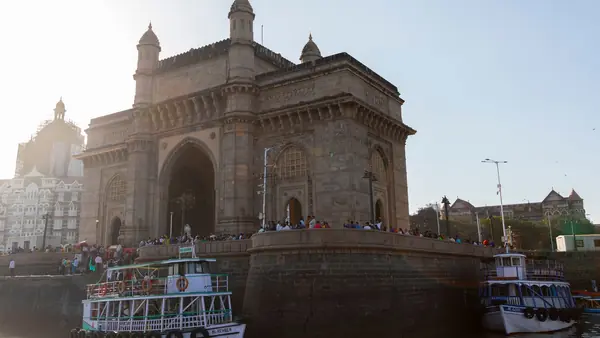
Photo: Frank van Dijk / Pexels


Most long-distance trains into Mumbai from the north, east and south end at Chhatrapati Shivaji Maharaj Terminus (CSMT), in the heart of South Mumbai. The station is a UNESCO World Heritage building in its own right, and almost everything a first-time visitor wants to see is within a short ride of it, which makes CSMT one of the easiest arrival points in the country to build a sightseeing day around.
How far the main sights actually are
| Place | Distance from CSMT | Typical time |
|---|---|---|
| Gateway of India and Colaba | About 4 km | 15-20 min by taxi |
| Marine Drive | About 3 km | 10-15 min by taxi |
| Crawford Market and Kalbadevi | About 1.5 km | 10 min, or a 20-min walk |
| Kala Ghoda art district | About 2 km | 10 min by taxi |
| Elephanta Caves (by ferry) | Ferry from Gateway of India | 1 hour each way by boat |
| Bandra and the suburbs | About 18-20 km | 45-75 min depending on traffic |
Getting out of the station
A prepaid taxi booth operates just outside CSMT's main entrance on the Azad Maidan side; it's the simplest way to fix a fare before you get in a cab, though ride-hailing apps also work well here and are usually cheaper. Mumbai's local suburban trains run from CSMT itself for anyone headed further out, and the Metro and monorail cover other pockets of the city, though neither currently reaches all the South Mumbai sights above; a taxi or auto remains the easiest way to string them together in one day.

A single day from CSMT
If you only have a day between trains, this order keeps backtracking to a minimum:
- Morning: start at the station itself, a five-minute look at the heritage building and the statue outside is worth it, then walk to Crawford Market for the fruit and spice stalls.
- Late morning: Kala Ghoda for the galleries, the Prince of Wales Museum (CSMVS) and old book stalls.
- Afternoon: Gateway of India and Colaba Causeway for lunch and shopping; the Taj Mahal Palace hotel sits right beside the Gateway.
- Evening: Marine Drive for sunset, then dinner nearby before heading back to the station.
Elephanta Caves need a half day on their own, boat included, so they only fit if you have a second day or are willing to drop one of the above stops.
Best time of year
November to February is the most comfortable stretch, dry and relatively cool by Mumbai standards. March to May turns hot and humid before the sea breeze along Marine Drive becomes the main relief. The June to September monsoon floods streets on the heaviest days and can disrupt both local trains and road traffic, though it is also when the city and the Western Ghats around it turn green, if you don't mind carrying an umbrella everywhere.
Which trains bring you into CSMT
CSMT handles long-distance trains from across the country, including the Konkan line south to Goa and Kerala. Check your train's live running status before you plan a tight same-day sightseeing window, since Mumbai's approach lines can carry knock-on delay from earlier in the route. If you'd rather arrive at a station closer to the western suburbs, some of the same long-distance trains also call at Dadar or Lokmanya Tilak Terminus; check the specific train's stop list on its own page.

Where to eat near the station
The lanes around CSMT and Crawford Market are dense with old Irani cafes and Mumbai street food. A plate of pav bhaji or a Bombay sandwich from a cart near the market is a fair introduction to the city's food culture, and several century-old Irani cafes in the Fort area still serve bun maska and strong tea at low prices. For a sit-down meal before an overnight train, the Fort and Colaba areas have far more choice than the immediate station forecourt.
If you have a second day
Elephanta Caves make the best use of a spare day: the boat from Gateway of India takes about an hour each way, and the rock-cut temple caves themselves need another hour or two once you're there, so budget most of a day for the round trip. Alternatively, a second day is a good time to head into the suburbs, Bandra's sea-facing promenade and Juhu Beach are both popular, though traffic from South Mumbai can make the return trip slow in the evening.
Reading the station before you leave it
CSMT is a large terminus with platforms serving both suburban and long-distance trains, so check the departure board carefully if you're catching a local train onward rather than a taxi. Our guide to reading platform numbers and station boards is worth a skim if it's your first time at a big Indian terminus, and if your incoming train from elsewhere in the country is running late, the live running status page updates as it approaches so you're not guessing how much sightseeing time you'll actually have.
If you're just passing through
With only a few hours between connections, stick to what's walkable: Crawford Market, the CSMT building itself and Kala Ghoda cover a good slice of old Mumbai without needing a taxi at all. Our trip planner can show onward train options if your connection changes and you end up with more or less time than expected.
Use it on your trip
Frequently asked questions
How far are the main attractions from Mumbai railway station?
Gateway of India is about 4 km and 15-20 minutes by taxi, Marine Drive about 3 km, and Crawford Market is close enough to walk in under 20 minutes.
What is the best time of year to visit Mumbai?
November to February is coolest and driest. March to May is hot and humid, and June to September brings heavy monsoon rain that can disrupt both roads and local trains.
Can Mumbai's highlights be covered in a single day from the station?
South Mumbai's core sights (Gateway of India, Marine Drive, Crawford Market, Kala Ghoda) fit comfortably into one day starting from CSMT. Elephanta Caves and the suburbs need extra time.
Is prepaid auto or taxi available right outside Mumbai station?
Yes, a prepaid taxi booth operates outside CSMT's main entrance. Ride-hailing apps also work reliably in this part of the city.
Which trains connect most easily to Mumbai?
Long-distance trains from across India, including the Konkan line to Goa and Kerala, terminate at or pass through CSMT. Check your specific train's live status and full stop list before planning a same-day connection.
Sources
Rules and fares change. Check the official source before you travel. Last reviewed 27 September 2026.