Duplicate/Special Trains During Festival Rush Explained
What a 'duplicate' special train actually means during festival rush, how it differs from the regular service, and how to check if one is running on your route.
 TrainLiveStatus Desk · Updated · 4 min read
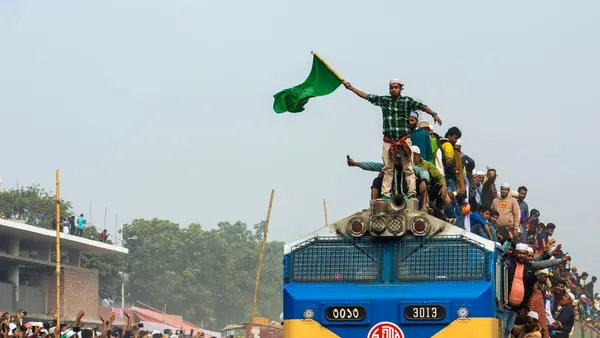
Photo: Mushfiqur Rahman / Pexels
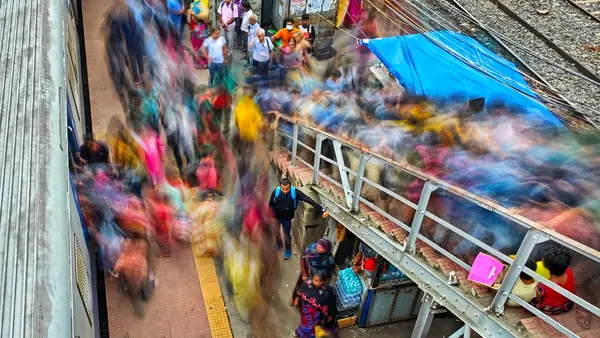
During Diwali, Chhath and other major festival rush periods, you'll often see an extra train advertised alongside a well-known named service, sometimes described informally as a duplicate of it. The term causes real confusion, since it sounds like a copy of the original train rather than what it actually is.
What does a 'duplicate' special train number actually mean
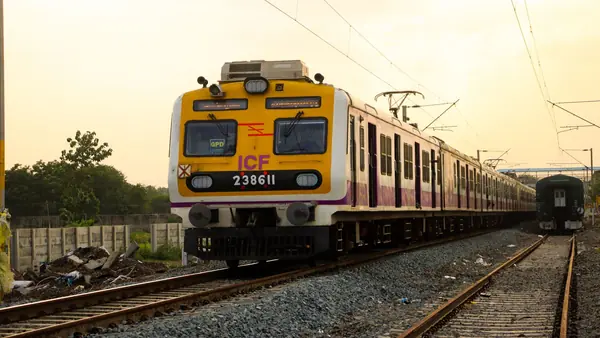
A duplicate special is an additional working of an existing route, run to add capacity when demand on a popular train far exceeds the seats available. Railways schedule it around the same route, and often a similar time of day, as the train it's supplementing, using a separate temporary number rather than a second departure under the original train's own number. The word duplicate here describes its relationship to an existing service, an extra run alongside it, not a literal identical copy in every respect.
Are duplicate trains identical to the regular service
Not necessarily. A duplicate special usually follows a similar route and broadly similar timing to the train it supplements, but it can run with a different rake, a different mix of coach classes, and it doesn't always stop at every station the original does. Some duplicates run with fewer AC coaches and more sleeper or general coaches, since the extra capacity is often aimed at the highest-demand classes on that route. Treat a duplicate special as its own train for booking purposes: check its actual class list, stops and timing rather than assuming it mirrors the original train exactly.
| What usually stays similar | What can differ |
|---|---|
| Overall route and general direction | Exact rake composition and coach classes available |
| Rough time of day | Precise departure time and which stations it halts at |
| Booking rules and the 60-day advance window | Whether catering or Tatkal quota is offered on it |
How do I know if a special is running on my route
Search IRCTC by your station pair and travel date rather than by a train name or number you're expecting, since specials, duplicate or otherwise, often don't show up under a familiar name. Special trains for a festival period are typically notified in batches over the weeks leading up to it, with more added as demand data comes in, so a route showing nothing today can show a new special a week later. Zonal railway press releases and official social media accounts are worth checking too, since specials sometimes appear there slightly before they're fully bookable on IRCTC.
Are special trains usually more likely to have empty seats
Often yes, at least when they're first announced, simply because fewer travellers know about them yet and search habits default to the familiar named trains. That gap tends to close quickly once a special is notified and travellers start finding it through a station-pair search, so booking as soon as you spot one is worth it rather than waiting. It isn't a guarantee, though: a duplicate added specifically because an original train is already hopelessly oversold can fill up within hours of being bookable, especially close to Diwali or Chhath.
Booking rules for duplicate and special trains
The same reservation rules apply as for any regular train: the 60-day advance reservation period, the standard refund and cancellation bands, and Aadhaar-based OTP authentication for Tatkal bookings where Tatkal quota is offered. What differs is availability of certain features, some specials run without pantry catering or with a reduced Tatkal quota, so it's worth checking the specific special's details on the booking screen rather than assuming it matches the regular train's amenities.
A quick way to search smart during festival rush
- Search by station pair and date, not by a train name, since specials don't always carry a familiar name.
- Check again a few days later if nothing shows up, since new specials get added right up to the festival.
- Book the moment you find one with availability, rather than comparing multiple options for too long, since seats on a newly announced special move fast once travellers spot it.
- Check the class list and stops for the specific special rather than assuming it matches an original train you know well.
Why railways use this approach instead of adding coaches
Adding an entire extra train is often more practical than lengthening an existing rake, since platform length, signalling paths and crew rosters all limit how many coaches a single train can carry on a given route. A duplicate special lets the railway add meaningful capacity, sometimes a full rake's worth of extra berths, without altering the original train's own composition or schedule, which keeps regular passengers unaffected while still absorbing the festival surge.
Checking a special once it's running
Once you've booked a special train, treat it like any other for tracking purposes. Its live running status page works the same way as for a regular named train, showing delay at each station ahead, which matters more than usual for a special since these newer services sometimes have less predictable running patterns than a well-established named train on the same route.
Our guide to booking holiday special trains covers the search and booking process in more depth, and once you've found a route, the trip planner shows live seat availability and alternate boarding stations if your first choice is full.
When can you book your ticket?
Uses the 60-day advance booking window (journey day not counted) and the Tatkal opening times (10:00 AC, 11:00 non-AC, one day before). On the day booking opens, only Aadhaar-verified IRCTC users can book online between 08:00 and midnight. Check IRCTC if a rule changes.
Where is your train right now?
Live position, expected arrival at every stop and the delay history of the last few weeks.
Use it on your trip
Frequently asked questions
What does a 'duplicate' special train number actually mean?
It describes an extra working of an existing route, added to increase capacity during high demand, run under its own temporary number alongside the train it supplements rather than a literal identical copy of it.
Are duplicate trains identical to the regular service?
Not necessarily. They usually follow a similar route and rough timing, but the rake, coach mix, exact stops and amenities like catering or Tatkal quota can differ, so check the specific special's own details.
How do I know if a special is running on my route?
Search IRCTC by station pair and travel date rather than by a remembered train name or number. Specials are notified in batches over the weeks before a festival, with more added as demand becomes clear.
Are special trains usually more likely to have empty seats?
Often, at least when newly announced, since fewer travellers know to search for them yet. That gap closes quickly once a special becomes visible in station-pair searches, so book as soon as you find one.
Sources
Rules and fares change. Check the official source before you travel. Last reviewed 9 October 2026.