Fine for Travelling Without a Ticket on Indian Railways
What happens under Sections 137-138 of the Railways Act if a TTE catches you without a valid ticket, how the fine is worked out, and what happens if you can't pay.
 TrainLiveStatus Desk · Updated · 4 min read
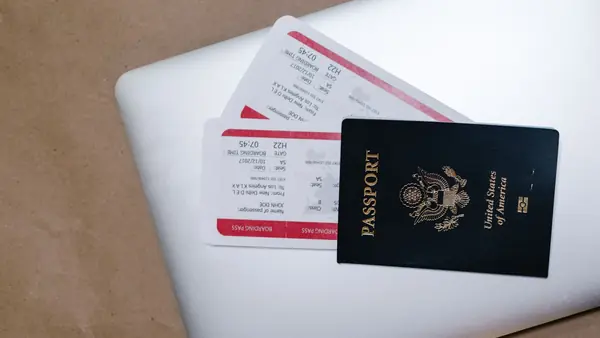
Photo: Rangoni Gianluca / Pexels
Boarding a train without any ticket at all, not the wrong class, not an expired one, simply none, is treated as a genuine offence under Indian law, not just a fare shortfall. Here's what actually happens if a TTE or RPF staff catches it.
How much is the fine for travelling without any ticket
Two sections of the Railways Act, 1989 matter here. Section 138 is the one ticket checkers apply day to day: a passenger without a proper ticket owes the fare for the distance travelled, charged from the train's starting station if there is doubt about where you boarded, plus an excess charge. The Act sets the excess charge as a sum equal to that fare or a fixed minimum, whichever is more. The Act set the minimum at Rs 250; a Western Railway advisory reported in the news says it rose to Rs 500 from 20 June 2026 under the Jan Vishwas (Amendment of Provisions) Act, 2026. If the reported Rs 500 minimum applies, a short-distance case costs at least Rs 500 plus the fare, and a long-distance case costs the fare twice over, once as fare and once as excess charge. Because the figure has just changed, confirm the current minimum with railway staff, and ask for the receipt breakup, which shows how the total was worked out. Section 137 covers travelling with intent to defraud the railway. It is a court offence: on conviction the penalty can be up to six months in jail, a fine of up to Rs 1,000, or both, and the fare and excess charge are payable as well.
| Component | How it's worked out |
|---|---|
| Fare | For the distance travelled, or from the train's starting station if your boarding point is in doubt |
| Fine | Excess charge under Section 138: equal to the fare or the fixed minimum (Rs 250 in the Act, reported Rs 500 from 20 June 2026), whichever is more, added on top of the fare |
| If unable to pay | Railway staff can apply to a magistrate to recover the sum |
Can the fine be paid on the spot to the TTE
Yes. Under Section 138 the amount is payable on demand to the railway servant authorised for this, and you should be given a receipt or excess fare ticket as proof. Paying the demanded sum is the usual way the matter ends, since the law only sends the case to a magistrate if you fail or refuse to pay.
What happens if I can't pay the fine immediately
If a passenger cannot or will not pay the fare and fine on the spot, the matter can be escalated: under Section 138(4) an authorised railway servant can apply to a Magistrate to recover the sum as if it were a fine, and the Magistrate can order a jail term of between ten days and one month if the sum is not paid. Separately, where there is intent to defraud, the passenger can be prosecuted under Section 137, which is a criminal offence, not just a fare shortfall.
Is the fine different for suburban and long-distance trains
The underlying law applies across the network. The fare component naturally differs since it is based on distance travelled, usually much shorter on a suburban hop than on a long-distance journey, but the legal basis and the excess charge rule are the same nationwide.
How this differs from travelling in a higher class
Boarding with no ticket at all is a distinct situation from holding a valid ticket for one class but sitting in a higher one. Section 138 covers both, but the higher-class case is charged as the fare difference plus an excess charge (equal to that difference or the fixed minimum, whichever is more) rather than the full fare. Our guide to the higher-class fine covers that specific scenario, which is common enough to confuse with outright ticketless travel but works quite differently in practice.
Avoiding the situation in the first place
If you're short on time before a departure and can't reach a counter or complete an online booking, our general and unreserved ticket rules guide covers the legitimate ways to board with a valid ticket. Buying one costs far less than the fare plus excess charge, and it avoids the risk of escalation entirely.
What to do if you're genuinely caught without one
- Cooperate and pay promptly if you can. This resolves the vast majority of cases quickly.
- Ask for and keep the receipt as proof the matter was settled.
- If you dispute the amount, pay first and raise a complaint afterward through Rail Madad or 139 rather than arguing with staff on the spot.
- If you genuinely cannot pay, be upfront about it immediately rather than trying to avoid staff, since cooperation generally leads to a more straightforward resolution.
Check your train's live running status before you leave, and if you're cutting it close on time for a ticket, the trip planner can help you find a slightly later train with room to book properly rather than risking a rushed, ticketless boarding.
Use it on your trip
Frequently asked questions
How much is the fine for travelling without any ticket?
Under Section 138 of the Railways Act, you owe the fare for the distance travelled (from the train's starting station if your boarding point is in doubt, or from where tickets were last checked) plus an excess charge. The excess charge is equal to the fare or a fixed minimum, whichever is more. The minimum was reported raised from Rs 250 to Rs 500 from 20 June 2026, so confirm the current figure with railway staff.
Can the fine be paid on the spot to the TTE?
Yes. The amount is payable on demand to the authorised railway servant, who should issue a receipt once you pay.
What happens if I can't pay the fine immediately?
If you fail or refuse to pay, authorised railway staff can apply to a magistrate to recover the sum as if it were a fine, and deliberate fare evasion can be prosecuted under Section 137.
Is the fine different for suburban and long-distance trains?
The law is the same nationwide. The fare component naturally differs by distance travelled, usually shorter on a suburban hop.
Sources
- The Railways Act, 1989, Sections 137 and 138 (India Code)
- Jan Vishwas (Amendment of Provisions) Bill, 2026 (PIB)
- Indian Railways
Rules and fares change. Check the official source before you travel. Last reviewed 13 November 2026.