What Actually Affects Waiting List Confirmation Chances
The real factors behind a waiting list clearing or not: quota, route demand, season and cancellation patterns, plus what actually raises your odds of travelling.
 TrainLiveStatus Desk · Updated · 4 min read
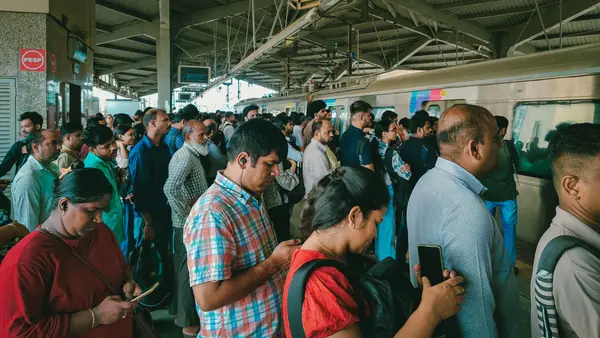
Photo: Niraj Yadav / Pexels
A waiting list number moves for one main reason: someone ahead of you cancels, or a confirmed passenger is upgraded to a higher class and frees a berth, or unused quota seats are released to the general pool at chart time. No-shows after departure don't help a waiting list ticket, since those berths go to RAC passengers on board. Understanding what drives that churn is more useful than any superstition about lucky booking times.
Quota: the single biggest factor
Indian Railways splits berths on every train into quotas: General, Tatkal, Ladies, Senior Citizen, Premium Tatkal and a few others depending on the train. Each quota has its own waiting list, and they clear independently. A WL 40 in General quota and a WL 8 in the Tatkal quota on the same train are not comparable; they're drawing from different, separately sized pools. In practice Tatkal waiting lists tend to clear poorly: a confirmed Tatkal ticket gets no refund on cancellation, so few Tatkal passengers cancel and free a berth.
Does booking earlier really help?
Booking as soon as the 60-day advance window opens gets you a lower waiting list number to start with, which matters, but it doesn't change the rate at which the list clears afterward. A WL 5 booked on day one and a WL 5 that another passenger ends up at after some early cancellations have exactly the same odds from that point forward. What early booking buys you is a better starting position, not a faster-moving one.
Why some lists clear the night before and others don't
Most cancellations bunch up in the final one to two days before departure, as travellers' plans firm up or fall through, which is why waiting lists often jump in status late. Whether a given list actually clears depends on how many confirmed passengers cancel relative to how long the list is. A WL 15 on a lightly booked weekday train might clear entirely; the same WL 15 on a heavily booked Friday evening train on a popular route might not move past single digits.
| Factor | Effect on clearing odds |
|---|---|
| Route popularity | Busier routes (metro-to-metro, festival corridors) clear less reliably |
| Day of week | Friday evening and Sunday evening trains tend to be harder |
| Season | Festival and holiday periods see longer lists and lower clearing rates |
| Quota chosen | Different quotas clear independently; check which one your ticket is in |
| RAC vs GNWL | RAC already holds a seat; GNWL doesn't until confirmed |
Do festival trains ever clear a long waiting list?
Rarely, and not reliably enough to plan around. Around major festivals like Diwali, Chhath and the summer holiday season, demand on popular corridors can run many times normal capacity, and railways typically responds with special festival trains rather than clearing existing waiting lists on the regular ones. If you're travelling in a festival window with a long waiting list, a special train on the same route, booked separately, is often a better bet than hoping your original ticket clears.

Check seats and confirmation chances
Shows availability by class, the chance a waitlisted ticket confirms, nearby boarding stations and two-train connections.
Is RAC more likely to confirm than GNWL?
Yes, and by a meaningful margin. RAC (Reservation Against Cancellation) passengers already have a guaranteed seat, typically a shared berth with another RAC passenger, and travel regardless of whether they're upgraded to a full confirmed berth. GNWL (General Waiting List) passengers have no seat at all until confirmed, and if the train departs with your ticket still on GNWL, you're not permitted to board the reserved coach at all. If you have a choice between an RAC ticket and a GNWL one further down a list, the RAC one guarantees you travel.
What actually raises your odds of travelling
Since no one can predict whether a specific PNR clears, the more useful question is how to raise your odds of actually making the trip, regardless of that one ticket's outcome. Two levers help here that most passengers don't use:
- Alternate boarding stations: a train's waiting list is often shorter from an intermediate station than from its originating terminus, since fewer seats are allocated to a later boarding point but demand is also lower there. See our guide on alternate boarding stations for how this works.
- Connecting trains: splitting a journey across two trains with a change midway sometimes has far better combined availability than one direct train that's heavily booked end to end.
Our trip planner checks both of these automatically for a given route and date, alongside live seat availability, so you can compare a single waiting-list ticket against a two-train combination with confirmed seats before deciding which to book. It's worth reading up on how to read live running status too, since a badly delayed train can change the calculus around whether an RAC or a connecting train is the safer bet on the day.
A realistic checklist
- Book as early as the 60-day window allows, for the lowest possible starting number.
- Check whether a different quota (Tatkal, Premium Tatkal) has better real-time availability than General.
- If offered RAC over a longer GNWL, take the RAC ticket if a guaranteed seat matters more than a full berth.
- Around festivals, check for special trains on the same route rather than relying on your existing waiting list.
- Check alternate boarding stations and connecting-train combinations on /plan before assuming a direct train is your only option.
Use it on your trip
Frequently asked questions
Does booking earlier really improve waiting list chances?
It gets you a lower starting number, which helps, but it doesn't change how fast the list clears afterward. Clearing depends on cancellations close to departure, not when within the 60-day window you booked.
Why do some waiting lists clear the night before and others don't?
Most cancellations happen in the final one to two days before departure. Whether that's enough to clear a specific list depends on how long it is relative to how many confirmed passengers cancel, which varies by route and date.
Do festival season trains ever clear a long waiting list?
Rarely. Demand on popular corridors during festivals often far exceeds normal capacity, and railways typically runs separate special trains rather than clearing existing waiting lists. A special train booked separately is often a better bet.
Does choosing a different quota change confirmation odds?
Yes. Each quota (General, Tatkal, Ladies, Senior Citizen and others) has its own separate waiting list that clears independently, so a Tatkal list can sometimes clear faster or slower than a General list on the exact same train.
Is RAC more likely to confirm than GNWL?
RAC already guarantees you a seat, usually a shared berth, and lets you travel regardless of further upgrades. GNWL guarantees nothing until confirmed, and an unconfirmed GNWL ticket cannot board the reserved coach at all.
Sources
Rules and fares change. Check the official source before you travel. Last reviewed 1 October 2026.