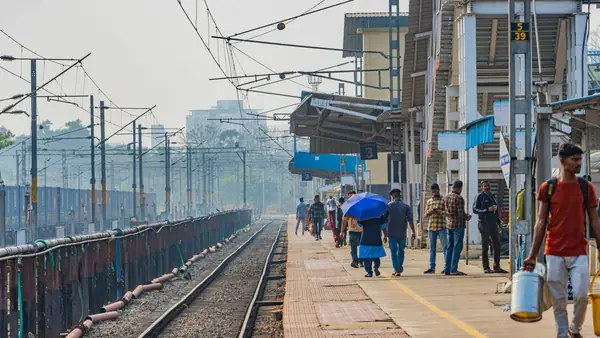
How to Plan Train Travel Around the Festival Rush
When to book for Diwali and Chhath, which days are quieter, whether to count on special trains, and real backup options if you can't get confirmed.
 TrainLiveStatus Desk · Updated · 5 min read


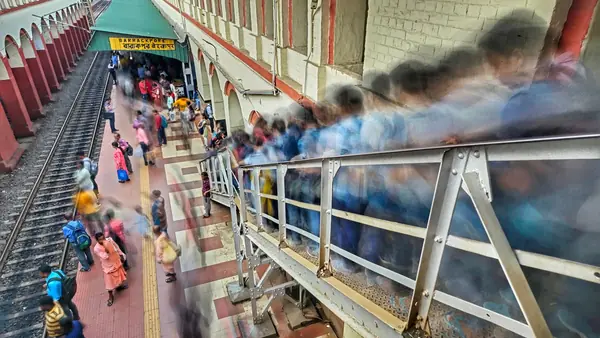
Diwali and Chhath Puja together make the single busiest travel window on Indian Railways every year, especially on routes into Bihar, eastern Uttar Pradesh and between the big metros and their home towns. The trains do not change much, the demand just spikes far beyond normal capacity, so the difference between a smooth trip and a miserable one comes down to timing your booking and having a backup plan.
How much earlier to book for Diwali or Chhath
Book the moment your dates open under the advance reservation period, which is set at 60 days before departure at the time of writing. For festival season this is not a suggestion, it is close to a requirement: popular routes into Bihar and eastern UP can show a full waiting list within hours of the booking window opening, sometimes on the very first day. The window is 60 days excluding the journey day and opens at 08:00. On the opening day only Aadhaar-authenticated IRCTC users can book general reserved tickets online, so link and verify Aadhaar on your account well before that morning.
Are there quieter days even during festival weeks
Yes. The days immediately before Diwali and the days around Chhath itself are the worst, but the day after the main festival, and weekday departures rather than the weekend closest to the festival, are noticeably less crowded. If your plans allow any flexibility, travelling a day early or a day later than the absolute peak date can be the difference between a confirmed seat and a long waiting list. Return journeys right after the festival are usually just as bad as the outbound rush, so the same logic applies both ways.

Special trains during the festival period
Indian Railways runs additional special trains, usually announced a few weeks ahead, on the busiest festival routes to absorb some of the extra demand. These specials often run at less convenient times or with fewer premium classes than regular trains, but they matter because they add real capacity precisely where the regular timetable is fullest. Watch for announcements on the zonal railway's official channels and IRCTC in the weeks leading up to the festival, and check your specific route for any added trains before assuming there is nothing left to book.
What to do if you cannot get a confirmed seat
| Option | When it helps |
|---|---|
| Check a nearby boarding station | Trains sometimes have separate quota at an intermediate station even when the origin quota is full |
| Split into a two-train connection | Two trains with confirmed or high-probability legs can beat one fully waitlisted direct train |
| Watch RAC and waiting list movement | Some late clearance still happens, though festival waiting lists move far less than usual |
| Consider a special train at an odd hour | Often has more availability than the popular regular timing |
| Book general (unreserved) class as a last resort | Always available for purchase, but expect a very crowded, standing-room journey on peak dates |
Our trip planner checks alternative boarding stations and two-train connections automatically for a given route and date, which is faster than working through each option by hand when a train is fully waitlisted.
Reading your odds honestly
A high waiting list number two months before Chhath on a popular Bihar-bound train is a genuinely different situation from the same number on a quieter route or a normal week. Festival trains clear waiting lists far less reliably than usual, because far fewer people cancel when everyone travelling is trying to reach the same festival on the same days. Treat a large waiting list on a known festival-rush train as unlikely to clear, and build a real backup rather than hoping.

A practical booking timeline
- 60 days out: book your primary train the moment the booking window opens for your travel date.
- If waitlisted immediately: also check a nearby date, a different class, and a two-train connection the same day, rather than waiting to see if it clears.
- 2-3 weeks out: watch for special train announcements on your route and check availability on any that are added.
- Final week: track your PNR's waiting list movement and keep an alternative plan (general class, a bus, or a later date) ready in case it does not clear.
- Day of travel: confirm your train's live running status before leaving for the station, since festival-week trains can also run later than usual due to sheer volume of traffic on the network.
Coming home is just as important to plan
Travellers often focus all their booking effort on the outbound journey and forget the return leg fills just as fast, sometimes faster, since everyone converges on going home around the same post-festival dates. Book your return the morning its own 60-day window opens, don't leave it for "closer to the date."
Travelling light helps more than usual during festival rush
Crowded festival-season trains and platforms make a bulky bag genuinely harder to manage, both boarding a packed general or sleeper coach and moving through a crowded station. If you have any flexibility, pack lighter than you normally would and keep valuables in a bag you can hold close rather than checked-in luggage, since festival crowds are also when opportunistic theft on platforms and in coaches tends to rise.
Consider your onward local transport too
Festival rush doesn't stop at the station. Local transport, autos, cabs, buses, from the station to your final destination can also be scarcer and pricier during major festivals, especially in smaller towns with a single railway station serving a large surrounding pilgrimage or home-town crowd. If you're arriving into a smaller town during peak Chhath or Diwali travel, arranging pickup in advance is worth the extra step rather than assuming transport will be easy to find on arrival.
For the mechanics of how waiting lists and RAC actually clear, see our waiting list confirmation guide, and for the exact advance booking window rules, our advance reservation period explainer.
Use it on your trip
Frequently asked questions
How much earlier should I book for Diwali or Chhath season?
Book the moment the advance reservation window opens for your travel date, 60 days ahead at the time of writing. Popular Bihar and eastern UP routes can go fully waitlisted within hours of opening during festival season.
Are there quieter travel days even during festival weeks?
Yes. Weekday departures and the day right after the main festival tend to be noticeably less crowded than the exact peak dates. If your plans allow flexibility, shifting by even a day can improve your chances.
Should I consider special trains during this period?
Yes, Indian Railways adds special trains on busy festival routes, usually announced a few weeks ahead. They may run at less convenient times, but they add real capacity, so check for them before assuming nothing is available.
What backup options exist if I can't get a confirmed seat?
Check an alternative boarding station, look at a two-train connection instead of one direct waitlisted train, watch for added special trains, and keep general class as a last resort. The trip planner checks the first few of these automatically.
Sources
Rules and fares change. Check the official source before you travel. Last reviewed 30 September 2026.