Jan Shatabdi Express: Routes and How It Differs
Jan Shatabdi is the budget version of Shatabdi: mostly non-AC second sitting (2S), with a smaller share of AC chair car (CC), on select day routes.
 TrainLiveStatus Desk · Updated · 4 min read

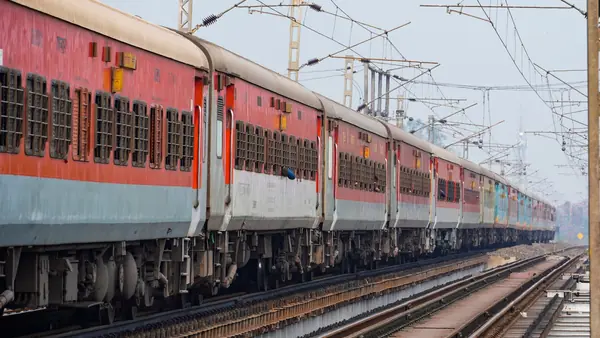
Jan Shatabdi is Indian Railways' answer to a simple problem: not every day route needs, or can fill, an all-AC premium train like the Shatabdi Express. Jan Shatabdi runs the same basic idea, a fast daytime service between two cities, but at a fraction of the fare, mostly in non-AC classes.
Is Jan Shatabdi AC or non-AC?
Mostly non-AC. Jan Shatabdi rakes are typically built around non-AC second sitting (2S) coaches with reserved seats, which is what keeps fares low. Some routes carry a smaller AC chair car section as the upper class option on that train, but it isn't universal across every Jan Shatabdi service, and it's a portion of the rake rather than the entire train. If AC seating specifically matters to you, check the exact train's coach composition rather than assuming every Jan Shatabdi has it.
Which routes currently run Jan Shatabdi services
Jan Shatabdi trains run on a number of medium-distance day routes across the country rather than one standard corridor. One well-known example is the 12059 Kota to Hazrat Nizamuddin Jan Shatabdi, which runs daily and covers the route as a same-day service. Other Jan Shatabdi trains connect various city pairs in the west, south and other regions, generally routes with strong daytime commuter and business demand but not necessarily enough to justify a fully premium Shatabdi.
Since Jan Shatabdi numbers and routes can be revised over time, the most reliable way to check whether one serves your specific route is to search it directly rather than relying on a fixed list, since railway timetables do get updated periodically.
Jan Shatabdi vs Shatabdi: the real differences
| Shatabdi Express | Jan Shatabdi | |
|---|---|---|
| AC | Fully AC (chair car and executive) | Mostly non-AC 2S; a few AC chair car coaches on most services |
| Catering | Optional, chosen at booking | No catering option in the fare; buy from vendors or e-catering |
| Fare | Higher | Noticeably lower |
| Speed and priority | High | Fast daytime service, though usually a little slower than a Shatabdi |
Is it cheaper than a regular Shatabdi?
Yes, meaningfully so. The lower fare comes mainly from non-AC seating on most of the rake and the lower Jan Shatabdi fare structure; on a full Shatabdi, catering is an optional add-on you choose at booking. For a traveller who wants a fast, reliable daytime train without paying for AC, Jan Shatabdi is built specifically for that gap between a full Shatabdi and a slower ordinary Mail/Express train.
Does it have a chair car, or only sitting classes?
Jan Shatabdi generally offers chair car seating (reserved, numbered seats) rather than unreserved general seating, even in its non-AC class, which is one of its advantages over a plain second-class ticket on a regular Express train. Where a route's Jan Shatabdi also has AC chair car, that becomes the premium option on that specific train, priced above the non-AC second sitting but still typically below a comparable full Shatabdi fare.

Booking a Jan Shatabdi ticket
Since Jan Shatabdi runs as a same-day reserved service on most routes, book it the same way as any other reserved train through IRCTC, checking the specific classes available for your date. If a Jan Shatabdi you're considering is fully booked in the class you want, check the trip planner for confirmation chances and whether a regular Mail/Express or a full Shatabdi on the same route has better availability for your travel date.
Who Jan Shatabdi actually suits
It's a solid choice for day travellers who want a fast, no-fuss journey with a reserved seat, without paying Shatabdi-level fares for AC they might not need. Business travellers on a budget, students, and anyone doing a same-day round trip between two cities are the typical riders. If you specifically want AC and don't mind the higher fare, check whether a full Shatabdi runs the same route; our Rajdhani vs Shatabdi vs Vande Bharat comparison covers how the fully AC premium trains stack up against each other if you're deciding between them.
How Jan Shatabdi fits into the wider train hierarchy
Indian Railways runs several tiers of daytime express service, and Jan Shatabdi sits in the more affordable half of that range. A full Shatabdi or a Vande Bharat targets travellers who'll pay more for guaranteed AC comfort, with meals available as an option at booking. An ordinary Mail/Express train covers similar ground but usually with more stops and a longer overall journey time, often without reserved chair car seating in the cheapest class. Jan Shatabdi sits between these: reserved seating and Shatabdi-like scheduling priority, at a fare much closer to an ordinary Express ticket.
What to expect on board
Seating is comfortable, reserved chair car style with numbered seats, though without the padded executive-class extras of a full Shatabdi. Catering on Jan Shatabdi is typically available for purchase from vendors or a pantry car rather than bundled into your fare, so budget a little extra if you plan to eat on board, or carry your own snacks the way you would on any other day train. Toilets and general coach upkeep are standard reserved-class quality, a step above unreserved general seating but not at the level of a premium AC train.
Where is your train right now?
Live position, expected arrival at every stop and the delay history of the last few weeks.
Use it on your trip
Frequently asked questions
Is Jan Shatabdi AC or non-AC?
Mostly non-AC, with reserved second sitting (2S) making up most of the rake. Some routes include a smaller AC chair car section as the premium option, but it isn't standard across every Jan Shatabdi service.
Which routes currently run Jan Shatabdi services?
Jan Shatabdi trains run on a number of medium-distance day routes across India, such as the Kota to Hazrat Nizamuddin service (12059). Check the specific route directly since timetables and services are periodically revised.
Is it cheaper than a regular Shatabdi?
Yes, noticeably. The lower fare comes mainly from mostly non-AC seating and a lower fare structure; on a full Shatabdi, meals are an optional add-on chosen at booking.
Does it have a chair car, or only sitting classes?
Jan Shatabdi generally offers reserved chair car seating, in both non-AC and, on some routes, AC versions, rather than only unreserved general seating.
Sources
Rules and fares change. Check the official source before you travel. Last reviewed 3 October 2026.