Kavach Explained: India's Anti-Collision System in 2026
What Kavach actually does when two trains get close, which zones have it fitted so far, and what it means for passengers, not just for the driver's cab.
 TrainLiveStatus Desk · Updated · 5 min read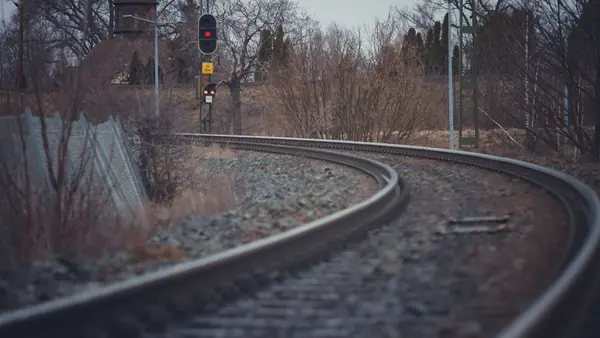
Photo: Efrem Efre / Pexels


Kavach is the name of Indian Railways' own automatic train protection system, built to stop the two most dangerous and preventable kinds of accidents: a train passing a red signal it shouldn't, and two trains getting too close to each other on the same line. It's a genuinely significant safety layer, and it's also one of the more misunderstood pieces of railway news, partly because of how the name has been used in unrelated contexts online.
What does Kavach actually do when two trains get too close?
Kavach continuously tracks a train's position, speed and the status of signals ahead using a mix of onboard equipment, trackside sensors and radio communication between them. If a train is approaching a red signal too fast to stop in time, running above the permitted speed, or getting dangerously close to another train on the same section of track, Kavach applies the brakes automatically, without waiting for the driver (loco pilot) to react. It's designed as a backup that intervenes only when a human response hasn't already handled the situation, not as a replacement for normal driving and signalling.
Which routes have Kavach live right now?
Coverage has been expanding section by section since initial trials, with early deployment concentrated on specific high-traffic corridors before wider rollout. Because this is an active, ongoing programme with new sections certified and switched on periodically, the honest answer is to check the Ministry of Railways' and PIB's current announcements for the latest confirmed coverage on your specific route rather than relying on any fixed list, including this one, which will go stale as more sections come online.

Does Kavach slow down or replace the driver's job?
It doesn't replace the driver. Normal operation, including all the usual decisions about speed, braking and following signals, is still entirely the loco pilot's responsibility. Kavach sits in the background as an automatic safety net, only stepping in if the train is about to violate a signal or safe-distance rule that the driver hasn't already corrected. In everyday running on a route where nothing has gone wrong, a passenger wouldn't notice any difference in how the train is driven.
Is 'Kavach download' an app I need on my phone as a passenger?
No. Kavach is onboard locomotive equipment and trackside infrastructure, radio units, sensors and control systems fitted to locomotives and along the track, not a smartphone app. Searches for "Kavach download" are usually people looking for general information about the system rather than software to install, and there's nothing a passenger needs to download or set up. If you're specifically looking for train safety and status information as a passenger, that's what our own live running status pages are for, not a separate app tied to the signalling system itself.
How it fits with the driver's existing signals
Loco pilots already work with lineside coloured signals and speed restrictions. On Kavach-fitted sections, the system also shows the signal aspect ahead and the permitted speed on a display inside the cab, which is especially useful in fog, and it brakes the train automatically if the driver exceeds the permitted speed. Kavach adds a continuous, automated check behind all of that, watching the same signal and speed data the driver sees and stepping in only if the train's actual behaviour doesn't match what the situation calls for. It's built to be a safety net under an already-trained human process, not a system that overrides normal driving decisions in everyday running.

Why the rollout is gradual rather than instant
Fitting Kavach properly means equipping locomotives, installing trackside units along the route, and testing the whole chain works correctly together before switching it on for live traffic, since a safety-critical system that's improperly calibrated could cause more problems than it solves. That's why coverage expands corridor by corridor rather than as a single nationwide switch-flip, and why the most reliable way to check your own route's status is the official announcements rather than a general sense that "Kavach is live now."
What Kavach means for delays
A well-functioning safety system shouldn't meaningfully change scheduled running times under normal conditions, since it's designed to intervene only in situations that would otherwise risk a serious incident. Where it can add friction is during the fitting and testing phase on a given route, when sections may run under temporary speed restrictions while equipment is calibrated and verified. This is typically a phased, short-term effect on specific stretches rather than a lasting change to journey times once a corridor is fully commissioned.
A running tally, and where to check it yourself
Rather than quoting a specific kilometre or zone figure here that will be outdated within months, given how actively this programme is expanding, the most reliable approach is to check the Press Information Bureau's Ministry of Railways releases directly, which announce newly commissioned Kavach sections as they're certified. If you're curious whether your specific route is covered, that's the source to check rather than older news articles or social media claims.
What this means for you as a passenger
Practically, Kavach coverage isn't something you need to check before booking a ticket, it's an infrastructure safety layer that operates in the background regardless of whether you're aware of it. What you can control and check is the same as always: your specific train's live running status and typical punctuality, which our live running status pages track independently of whatever signalling technology is in use on a given section. Our guide to why trains run late covers the more common, everyday causes of delay, and the trip planner is useful if a delay on one train makes a connecting option worth checking.
Use it on your trip
Frequently asked questions
What does Kavach actually do when two trains get too close?
It automatically applies the brakes if a train is approaching a red signal too fast to stop, or getting dangerously close to another train on the same track, without waiting for the driver to react first.
Which routes have Kavach live right now?
Coverage is expanding section by section as part of an active rollout. Check the Ministry of Railways or PIB's latest announcements for confirmed coverage on your specific route rather than relying on a fixed list.
Does Kavach slow down or replace the driver's job?
No, it doesn't replace the driver. Normal operation stays the loco pilot's responsibility; Kavach only intervenes automatically if a signal or safe-distance rule is about to be violated.
Is 'Kavach download' an app I need on my phone as a passenger?
No. Kavach is onboard and trackside railway equipment, not a smartphone app, and there's nothing a passenger needs to download.
Sources
Rules and fares change. Check the official source before you travel. Last reviewed 30 September 2026.