Konkan Coast Scenic Train Itinerary
Which side of the train has the best Konkan views, which stops are worth breaking the journey for, and whether to ride it straight through or with stopovers.
 TrainLiveStatus Desk · Updated · 4 min read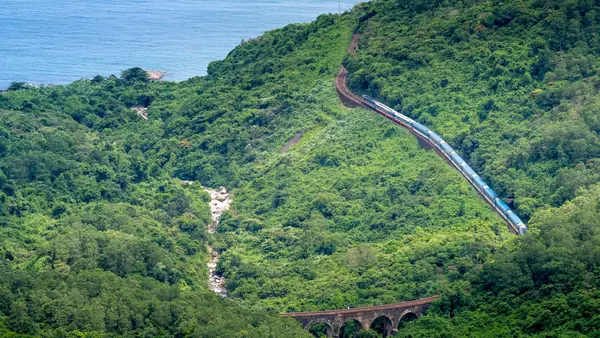
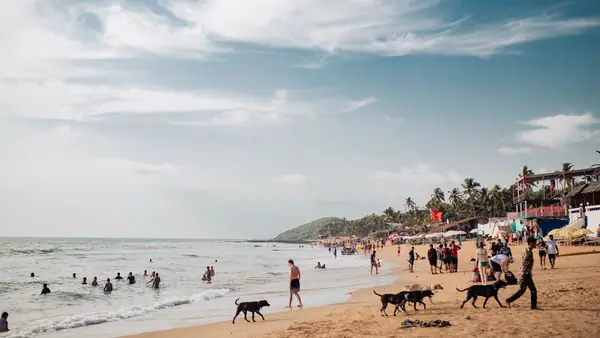
Photo: Quang Nguyen Vinh / Pexels


Most people ride the Konkan line to get to Goa and treat the journey as time to kill. That undersells it. The stretch through the Sahyadri foothills is one of the more dramatic rides on Indian Railways, and a few deliberate stops turn the same line into its own holiday.
Which side of the train has the best views
Heading south from Mumbai, window seats on the right-hand side generally catch more of the river estuaries, creeks and the occasional distant sea glimpse, particularly through the stretch south of Ratnagiri. The left side faces more of the inland hills and the Sahyadri escarpment, which has its own appeal on the sections with high viaducts, including the Panval Nadi viaduct near Ratnagiri, one of the tallest railway viaducts in the country. Neither side is a bad seat; it depends whether you would rather watch the coast or the hills.
How many stops are worth breaking the journey for
Four realistically reward a stopover, in order heading south from Mumbai:
- Khed: a smaller halt useful mainly as a base for the Sahyadri viewpoints and waterfalls nearby in the monsoon, less essential the rest of the year.
- Ratnagiri: the biggest reason to stop. Thibaw Palace, built for the exiled last king of Burma, sits above the town, and the surrounding district is the heart of Alphonso mango country in season (roughly April to June). Ratnagiri fort and a handful of quieter beaches round out a day or two here.
- Sindhudurg belt (Kudal, Sindhudurg or Kankavli station, for Malvan and Tarkarli): this is where the coast itself becomes the destination, with calmer beaches, watersports around Tarkarli and the Sindhudurg sea fort a short boat ride offshore.
- Karwar: just south of the Goa border in Karnataka, a quieter alternative to Goa's beaches for anyone extending the trip past Madgaon.

Best season for this scenic route
November to February gives the clearest skies and the most comfortable temperatures for stepping off at any of these stops. The monsoon (June to September) is when the hills are at their greenest and waterfalls appear beside the track, which has its own fans, but heavy rain can also mean reduced visibility and, in bad years, speed restrictions on parts of the line. Late February through May turns hot and increasingly humid the further south you go, though it does coincide with mango season around Ratnagiri if that is a priority.
Single long ride or stopovers
A single ride from Mumbai CSMT straight through to Madgaon works well if Goa itself is the destination and the train ride is meant to be a scenic warm-up, not the main event; our Goa by train itinerary covers that version in detail.
Breaking the journey makes more sense if you have five days or more and want the coast itself, not just Goa, to be the trip. A realistic split is two nights in Ratnagiri, two in the Sindhudurg belt, and the rest in Goa, taking a different train for each short hop rather than one long ride.
Trains that cover this route
| Train | Best for |
|---|---|
| Vande Bharat (22229) | Fastest daytime run, best for the views since it is entirely in daylight on a normal schedule |
| Tejas Express (22119) | Another fast day train with executive chair car |
| Konkan Kanya Express (20111) | Overnight; skip if the views are the point of the trip |
| Mandovi Express (10103) | Slower day train, good pantry car, popular with regulars for exactly that reason |
| Madgaon Janshatabdi (12051) | Another solid daytime option with a stop pattern that suits Ratnagiri stopovers |
For a Ratnagiri stopover specifically, any of the day trains works since Ratnagiri sits roughly in the middle of the route with a late-morning to early-afternoon arrival on most of them. Check current timings and seat availability on each train's page, since schedules shift with the monsoon timetable and periodic revisions.
Planning the stopped-journey version
- Book each leg separately: a Mumbai-Ratnagiri ticket and a Ratnagiri-Sindhudurg (or Kankavli) ticket, rather than trying to force a single ticket to cover a multi-day stop, since most classes do not allow an open-ended break of journey without a rebooking.
- Luggage: smaller stations like Ratnagiri and Kankavli have limited cloakroom facilities, so travel lighter if you plan multiple stops.
- Local transport: autos and pre-arranged taxis cover the short hop from each station into town; none of these coastal towns has a large public transport network of its own.
Use the trip planner to check connections and seat availability for each leg of a multi-stop version, rather than assuming every day train has room at short notice in peak season.
Use it on your trip
Frequently asked questions
Which side of the train has the best Konkan coastal views?
The right-hand side heading south generally catches more of the river estuaries and coastal glimpses, especially south of Ratnagiri. The left side faces the Sahyadri hills and the line's tallest viaducts, which have their own appeal.
How many stops along the Konkan route are worth breaking the journey for?
Ratnagiri and the Sindhudurg belt (Malvan and Tarkarli) are the strongest reasons to stop. Khed and Karwar are worthwhile add-ons if you have extra time.
What's the best season for this scenic route?
November to February for the clearest skies and comfortable temperatures. The monsoon (June to September) is greenest but can reduce visibility and slow the timetable.
Should I do this as a single long ride or with stopovers?
A single ride suits travellers heading straight to Goa who want the journey as a scenic bonus. Stopovers at Ratnagiri and the Sindhudurg coast suit anyone who wants the Konkan coast itself, not just Goa, to be the destination.
Sources
Rules and fares change. Check the official source before you travel. Last reviewed 28 September 2026.