Amrit Bharat Express: Features and Coach Layout Explained
What Amrit Bharat's push-pull design means, which coach classes it offers, and how it differs from Vande Bharat in purpose and ride quality.
 TrainLiveStatus Desk · Updated · 5 min read
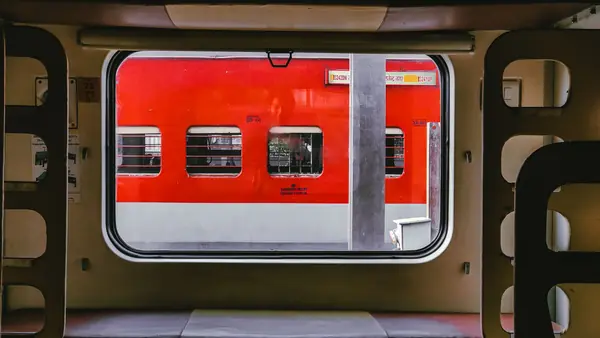
Photo: dharamveer / Pexels
Amrit Bharat is built for a different job than the Vande Bharat. Where Vande Bharat targets fast, premium, chair-car intercity travel, Amrit Bharat is a long-distance push-pull express aimed at unreserved and sleeper-class passengers who currently ride older, slower general-purpose trains. It's less flashy, but arguably a bigger deal for the passengers it's designed around.
What "push-pull" actually means
A conventional express train has one locomotive at the front, pulling the whole rake. Amrit Bharat's push-pull design puts a locomotive at both ends, one pulling from the front and one pushing from the rear. This cuts the time needed to reverse direction at a terminus, since the train doesn't need the locomotive detached and moved to the other end, and it also improves acceleration and reduces jerks through the rake during starts and stops, which matters over a long-distance overnight journey with many stops.
Coach classes on Amrit Bharat
| Class | What it offers |
|---|---|
| General (unreserved) | The primary target segment: improved seating and finish compared to older general coaches on similar routes |
| Sleeper | Standard sleeper berths, aimed at long-distance budget travellers who currently use older mail/express rakes |
| No AC coaches | Amrit Bharat is specifically positioned as a non-AC, budget-focused long-distance train, distinct from the AC-only Vande Bharat |
What coach classes does Amrit Bharat offer?
Amrit Bharat runs with general (unreserved) and sleeper class coaches, without AC classes, which is a deliberate design choice reflecting its purpose: modernising the experience for passengers who travel in these classes on long routes, rather than competing with Vande Bharat or Rajdhani-style premium AC travel. The SHC Amrit Bharat (11015), running LTT to SHC (Sahibganj), is an example of the service on a long, roughly 38-hour route, illustrating the kind of long-haul, budget-class journey Amrit Bharat is built for.
Is Amrit Bharat meant to replace older express trains?
Broadly, yes, in spirit if not train-by-train. Amrit Bharat is part of a wider push to modernise the rolling stock used on long-distance non-AC routes, many of which have run with older-generation coaches for decades. Rather than replacing every existing mail/express train immediately, new Amrit Bharat services are being introduced on selected long-distance routes, often ones with significant general and sleeper class demand and older rakes in current use.

How is the ride quality different from a regular express train?
Beyond the push-pull design's smoother starts and stops, Amrit Bharat coaches are built with improved seating, better lighting, and features like mobile charging points and improved toilets compared to older-generation coaches still running on many mail/express services. The overall aim is closer to a modernised version of the traditional long-distance sleeper/general experience, rather than a shift toward the premium positioning of Vande Bharat.
Which class should you book?
Answer the four questions to see a suggestion.
Amrit Bharat vs Vande Bharat, in short
| Amrit Bharat | Vande Bharat | |
|---|---|---|
| Classes | General and sleeper, no AC | AC chair car and, on some routes, AC sleeper |
| Positioning | Modernised budget long-distance travel | Premium, fast intercity travel |
| Typical distance | Long-haul routes, often 20+ hours | Shorter intercity routes, typically same-day |
| Design highlight | Push-pull locomotive configuration | Self-propelled, distributed power, no separate locomotive |
Where Amrit Bharat fits in the bigger picture
Indian Railways has been rolling out several distinct new-generation train types in recent years, each targeting a different segment: Vande Bharat for fast premium intercity travel, Namo Bharat/RRTS for regional rapid transit around Delhi NCR (a separate system entirely, run by a different authority), and Amrit Bharat for modernised long-distance budget travel. Understanding which category a specific train falls into helps set the right expectations before booking, since the names alone don't always make the distinction obvious.
Origins of the design
The push-pull configuration itself isn't new to railways generally, versions of it have been used internationally for decades, but Amrit Bharat represents its dedicated large-scale application to a new class of Indian long-distance coaches purpose-built around it, rather than a retrofit of older rakes. The coaches themselves draw on some of the same LHB (Linke Hofmann Busch) coach design lineage used across many modern Indian Railways trains, adapted for the general and sleeper class focus.
Booking an Amrit Bharat train
Booking follows the standard IRCTC process, same as any other Indian Railways train, since Amrit Bharat is not a separate ticketing system the way Namo Bharat's RRTS is. Select your train, class, general or sleeper, and book through the usual reservation flow, with the same advance reservation period and quota rules that apply across the network. There's no special booking category or app specific to Amrit Bharat.

Catering on Amrit Bharat routes
Given its non-AC, budget-focused positioning, Amrit Bharat generally relies on station-based catering and e-catering rather than an onboard pantry car in the way some AC long-distance trains do, though specifics can vary by route. Passengers travelling long distances on these services should plan the same way they would on any long-haul sleeper or general-class train without guaranteed pantry service: carrying some food and water for stretches between major stations, and using e-catering where available at scheduled stops along the route.
What to expect on a long Amrit Bharat journey
Given many Amrit Bharat routes run 20+ hours, the practical improvements matter more than they might on a shorter trip: better seating for general class passengers who'd otherwise be standing or sitting on older bench-style seating for a long stretch, and sleeper berths in a more modern coach shell. If you're used to older mail/express coaches on the same or a similar route, the difference in comfort over a long overnight or multi-day journey is the main thing Amrit Bharat is trying to deliver, more than raw speed.
For live running status and delay history on any Amrit Bharat, Vande Bharat or regular express service, check the specific train's page, and see our Amrit Bharat new routes guide for which corridors currently run this service, or our detailed Amrit Bharat vs Vande Bharat comparison for a fuller route-by-route breakdown.
Where is your train right now?
Live position, expected arrival at every stop and the delay history of the last few weeks.
Use it on your trip
Frequently asked questions
What does the 'push-pull' design of Amrit Bharat actually mean?
A locomotive at each end of the train, one pulling and one pushing, which cuts terminus reversal time and improves acceleration and smoothness through starts and stops compared to a single-locomotive express.
What coach classes does Amrit Bharat offer?
General (unreserved) and sleeper class only, with no AC coaches, reflecting its focus on modernising the experience for long-distance budget travellers rather than competing with premium AC services.
Is Amrit Bharat meant to replace older express trains?
It's part of a broader effort to modernise rolling stock on long-distance non-AC routes with significant general and sleeper demand, introduced on selected routes rather than replacing every older train at once.
How is the ride quality different from a regular express train?
Improved seating, lighting, mobile charging points and better toilets compared to older-generation coaches, plus smoother starts and stops from the push-pull locomotive configuration.
Sources
Rules and fares change. Check the official source before you travel. Last reviewed 3 October 2026.