Pregnant Women: Priority Booking and Quota Rules on Trains
How pregnant passengers can get lower berth priority on trains, why booking online differs from the counter, and practical advice for later pregnancy.
 TrainLiveStatus Desk · Updated · 5 min read

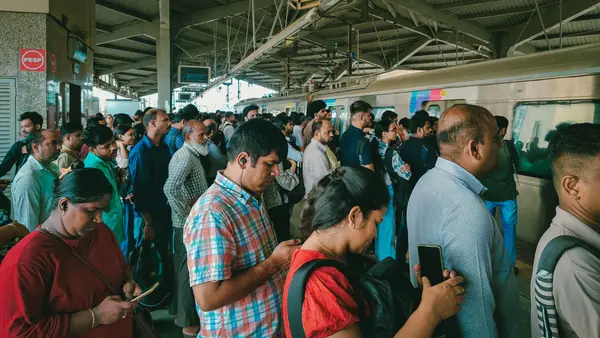
Photo: Nithin Thenkara / Pexels
Pregnancy travel questions usually come in two parts: what Indian Railways actually guarantees at booking, and what's just sensible personal precaution. The two get mixed together a lot, so it's worth separating them clearly before you book.
Do pregnant women get an automatic lower berth?
Not in the way senior citizens and women aged 45 and above get one. Indian Railways allots lower berths automatically to senior citizens and women aged 45 and above, even if they give no choice, subject to availability. Pregnant women are covered by the combined lower berth quota with them, which Indian Railways says holds six to seven lower berths per Sleeper coach, four to five per 3AC coach and three to four per 2AC coach, depending on how many coaches of that class the train has (PIB, December 2025). Our guide on the lower berth quota explains how that reserved pool works. How a pregnant woman claims it has been the sticking point: the long-standing practice was a reservation counter with a pregnancy certificate from a registered medical practitioner, because the online form has no pregnancy field. News reports from September 2026 say the Railway Board has ordered online booking to be extended to pregnant women, but we could not confirm that order or its date from an official source. Check on the IRCTC site or at a reservation counter which route applies to you. Online, the practical option is selecting a lower berth preference, subject to availability.
Is there a medical certificate requirement for late pregnancy?
We found no Indian Railways rule asking for a medical fitness certificate just to travel while pregnant, though a pregnancy certificate from a registered medical practitioner has been the requirement for the lower berth quota at a reservation counter. That said, carrying a simple note from your doctor confirming you're fit to travel is sensible practical precaution in the later stages, both for your own peace of mind and in case any question comes up during the journey. This is ordinary common sense for anyone travelling in late pregnancy, by any mode of transport.
Which quota category should I select while booking?
As far as we could confirm, there isn't a separate pregnancy quota code to select online, and the booking form we know of does not ask about pregnancy. If the quota matters to you, booking at a computerised reservation counter with a pregnancy certificate has been the route; online, pick a lower berth preference, and check IRCTC for any newer option. This is different from the senior citizen concession question, which is about fares; for pregnancy the relevant benefit is berth priority, not a fare concession. This process was reported to be changing in September 2026, so confirm the current one with the reservation office or 139 before you rely on it.
| What you get | How it works |
|---|---|
| Lower berth quota | Pregnant women are covered by the combined quota; claimed at a reservation counter with a pregnancy certificate unless IRCTC now offers it online, subject to availability |
| Online booking | No pregnancy field known; choose a lower berth preference and check IRCTC for any newer option |
| Fare concession | No specific pregnancy fare concession |
| Medical certificate | No rule found for travel; a pregnancy certificate has been needed for the counter quota, and a doctor's note is sensible in late pregnancy |
Are there any restrictions on travel in the final trimester?
We found no Indian Railways rule barring travel at any specific week of pregnancy. That doesn't mean every train journey is automatically a good idea in late pregnancy; the right call depends on your individual health, how the pregnancy is progressing, and your doctor's advice, so check with them before booking a long or physically demanding journey close to your due date. A shorter, more comfortable journey in a higher class, with a lower berth and less time on your feet at stations, is generally easier to manage than a long, multi-day trip involving several changes.
Practical tips for a more comfortable journey
- Book a lower berth and confirm it's allotted before travel; if not, ask about availability closer to departure.
- Choose a direct train over one with a connection, to reduce time spent standing or walking through stations.
- Carry water and light snacks rather than depending entirely on pantry timing.
- Pack any regular medication in your carry bag, not in checked luggage.
- Ask for help at boarding if needed; station staff and porters can assist with luggage so you're not carrying anything heavy yourself.
Related help while travelling
If you need broader assistance, a wheelchair for getting to your coach, or help with luggage, our guide on station assistance and wheelchairs covers how to request that kind of help, even though it's framed around senior citizens, the same process generally applies. And if you need help during the journey, dial 139, the railway helpline.
Choosing the right class, not just the right berth
Beyond the lower berth itself, the class you choose matters for overall comfort. AC 2-tier or AC First give more space and privacy around the berth than Sleeper or AC 3-tier, which can matter more in later pregnancy when getting in and out of a berth repeatedly through the night is less comfortable. If budget allows, upgrading the class for a pregnancy-stage journey is often a more meaningful comfort improvement than any other single change you can make, more so than the specific train or route chosen.
Travelling with a companion
Where possible, travel with a companion during pregnancy, particularly for a longer journey or one later in the pregnancy, simply so there's someone to help with luggage, fetch water or snacks, and generally keep an eye on how you're feeling as the journey goes on. If you must travel alone, let a family member or friend know your PNR, train number, coach and expected arrival time before you set off, the same basic precaution worth taking on any solo trip, and check in with them once you've boarded and again on arrival.
Use it on your trip
Frequently asked questions
Do pregnant women get an automatic lower berth?
Not in the way senior citizens and women aged 45 and above do. Pregnant women are covered by the combined lower berth quota, but claiming it has meant a reservation counter with a pregnancy certificate. Reports say online booking is being extended, so check IRCTC.
Is there a medical certificate requirement for late pregnancy?
We found no Indian Railways rule requiring one just to travel. A pregnancy certificate from a registered medical practitioner has been needed to claim the lower berth quota at a counter, and a doctor's note is sensible in late pregnancy.
Which quota category should I select while booking?
As far as we could confirm, there is no pregnancy quota code online. Choose a lower berth preference, or book at a reservation counter with a pregnancy certificate, and confirm the current process with IRCTC or 139.
Are there any restrictions on travel in the final trimester?
We found no Indian Railways rule tied to a week of pregnancy, but whether to travel depends on your individual health, so check with your doctor before a long journey close to your due date.
Sources
- PIB: Facilities extended to senior citizens and persons with disabilities (5 December 2025)
- Indian Railways
- IRCTC
Rules and fares change. Check the official source before you travel. Last reviewed 17 November 2026.