Senior Citizen Helpline on Indian Railways
How to get wheelchair assistance, station help and priority support for an elderly parent on Indian Railways, and the exact helpline to call: 139.
 TrainLiveStatus Desk · Updated · 4 min read
Photo: Kampus Production / Pexels
Elderly passengers get a specific kind of help on Indian Railways: a wheelchair and a person to push it, someone to carry bags between the entrance and the coach, and priority attention if something goes wrong mid journey. You do not need a special number. Planned assistance is pre-booked through IRCTC, and the same 139 helpline that handles everything else on the network covers emergencies and on-the-day help.
What the senior citizen helpline actually covers
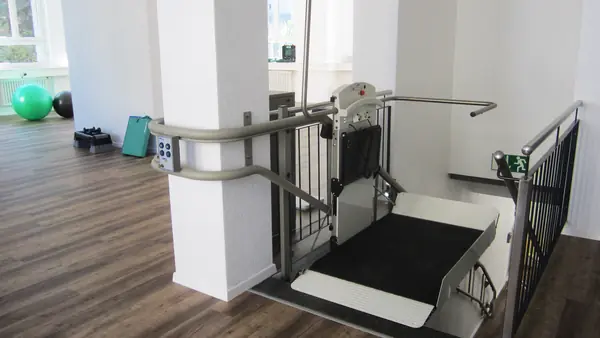
Yatri Mitra Sewa is IRCTC's pre-bookable assistance for elderly, unwell or disabled travellers at major stations: a wheelchair with a porter who meets you at the station entrance, helps with luggage to the coach, and can be booked at the destination station too. It is booked through IRCTC and is a paid service; the charge depends on the station and service, so check it when booking. Separately, stations keep wheelchairs that can be used free of charge (you may need your own helper or a licensed porter at the porter's rate). For anything urgent, dial 139: press 1 for a genuine medical emergency on a running train.
Pick your situation
Rail helpline 139, IRCTC 14646, emergency 112. Rail Madad: railmadad.indianrailways.gov.in.
Can I pre-arrange assistance for an elderly parent?
Yes, and it is worth doing a day ahead rather than calling from the platform. You can request Yatri Mitra Sewa through IRCTC once the ticket is booked (it is not available at every station), and call 139 on the day if anything goes wrong. Give the exact station, arrival time and coach, and mention if a wheelchair is needed the whole way or just for boarding and alighting.
If your parent is travelling alone, share the PNR and train number with someone at both ends of the journey, and note the train's expected platform and timing before departure. Our live running status pages show the current position and delay of any train, which helps whoever is receiving them know exactly when to be at the platform.
Is wheelchair assistance covered under the same helpline?
Yes. Wheelchairs are kept at a large number of stations and can be used free of charge by a senior citizen or a person with a disability, usually through the station master or enquiry counter; the porter who pushes it is paid at the normal rate unless you pre-booked Yatri Mitra Sewa. When booking the service, mention if the passenger cannot walk any distance at all so the meeting point can be set as close to the coach door as possible.
| What you need | How to get it |
|---|---|
| Wheelchair and porter at boarding station | Pre-book Yatri Mitra Sewa through IRCTC (paid), or ask the station master or enquiry counter for a station wheelchair |
| Same at the destination station | Book Yatri Mitra Sewa for the destination station too, or ask the TTE to alert the next station |
| Medical help on a moving train | 139, press 1, for a genuine emergency |
| Lower berth allotment | Allotted automatically when the correct age is entered, subject to availability |
Is there a separate number for medical concerns during travel
No separate number exists for this. 139 is the single point for security, medical and general assistance, and the IVR routes a genuine medical concern straight to an agent when you press 1. Keep the coach and berth number ready, since that is what the escort at the next station needs to find the right seat quickly.

Booking with a senior citizen in mind
A few small choices at booking time make the journey easier. Pick a lower berth where the option is offered, since climbing to a middle or upper berth is the most common complaint from older travellers. Choose a train that reaches the destination at a reasonable hour rather than the fastest option that lands at 2 am, since navigating an unfamiliar station at night is harder for everyone. Our trip planner shows seat availability and realistic confirmation chances across trains on the same route, which is useful when comparing a late-night arrival against a slower day train.
At the station itself
Arrive with enough buffer to find the assistance point, usually near the station entrance or the enquiry counter, rather than walking straight to the platform. Station names and platform numbers are announced and displayed, but a member of station staff or the escort can also confirm the platform well before the train is due. If the train is running late, our station live boards show current arrival estimates so you are not standing on a cold platform longer than necessary.
Concession and other senior citizen facilities
Separate from station assistance, senior citizens are eligible for other facilities on Indian Railways, including a lower berth quota. The senior citizen fare concession was suspended in March 2020 and has not been restored at the time of writing, so check the current position on the IRCTC website or at the reservation counter rather than relying on an old figure. For a full rundown of what is available, see our senior citizen concession guide.
Between the wheelchair service, the berth quota, and the option to request help at both ends of the trip, an elderly parent or grandparent travelling by train does not need to manage a station alone. The key is asking early: a request made the day before, with the exact train and coach details, works far better than one made from a crowded platform five minutes before departure.
Use it on your trip
Frequently asked questions
What kind of help can I request through this helpline?
139 handles emergencies and on-the-day problems: press 1 for a genuine medical problem on a moving train. Planned help, a wheelchair with a porter at the station, is pre-booked separately through IRCTC's paid Yatri Mitra Sewa, and free station wheelchairs can be requested at the station.
Can I pre-arrange station assistance for an elderly parent?
Yes. Book Yatri Mitra Sewa through IRCTC once you have the PNR, for both the boarding and destination stations where it is offered. Giving a day's notice gets a more reliable response than asking from the platform.
Is wheelchair assistance covered under the same helpline?
Station wheelchairs are free and requested at the station itself, while a pre-booked wheelchair with porter comes through IRCTC's paid Yatri Mitra Sewa. 139 is for emergencies and complaints. Mention if the passenger needs the meeting point right at the coach door.
Is there a separate number for medical concerns during travel?
No. 139 covers medical emergencies too. Press 1 on the IVR for a genuine emergency on a running train and you go straight to an agent.
Sources
Rules and fares change. Check the official source before you travel. Last reviewed 30 September 2026.