Tips for Travelling With Elderly Parents by Train
Berth choice, station assistance, route planning and health precautions for organising a comfortable train journey for an elderly parent in India.
 TrainLiveStatus Desk · Updated · 4 min read
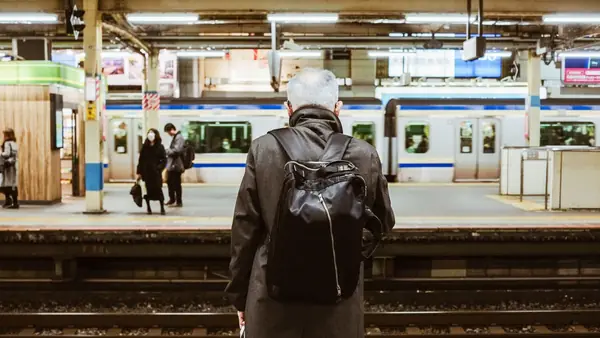
Photo: Christopher Spence / Pexels
Train travel is genuinely one of the more comfortable ways to move an elderly parent long distance in India, more forgiving than a flight's security lines and more spacious than a car for a multi-hour trip. A handful of planning decisions, made a week or two ahead rather than at the station, make the biggest difference.
Which berth is most comfortable for an elderly parent
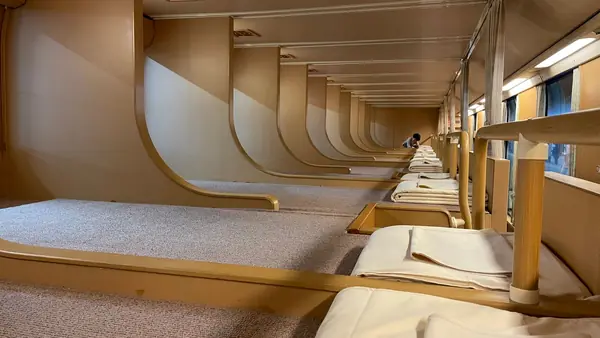
Lower berth, without much debate. It avoids the climb up a narrow ladder, which is the single most common physical difficulty older passengers report, and it means getting up at night for the toilet doesn't involve navigating down from a height half asleep. Book the lower berth specifically rather than leaving it to chance, and if you're travelling as a group, put the elderly member closest to the aisle end of the bay so there's less distance to walk within the coach.
What assistance can I request at the station in advance?
Book Yatri Mitra Sewa through IRCTC, a paid wheelchair-and-porter service at major stations. It gets an attendant to meet your parent at the station entrance, help with luggage to the coach, and the same again at the destination if you book it for both ends. Stations also keep wheelchairs that can be used free (ask the station master or enquiry counter), though a porter is then paid at the normal rate. Arrange this a day ahead rather than from the platform on travel day, since a pre-arranged request gets a more reliable response. Our full senior citizen helpline guide covers exactly how to book this.
Should I choose a shorter or more direct route?
A more direct route, even if it's not the absolute fastest train available, is usually the better choice. Every change of train adds a station transfer, which means navigating a new platform, possibly with luggage, within a tight connection window, something that's manageable for a fit solo traveller but genuinely tiring for an elderly parent. If a direct train takes an hour or two longer than a connecting option, the direct train is almost always worth it for comfort.
| Choice | Why it matters for an elderly parent |
|---|---|
| Direct train over a connection | Avoids a rushed platform transfer with luggage |
| Daytime arrival over very early or very late | Easier to navigate an unfamiliar station in daylight |
| Lower berth | No ladder climb, easier night-time access to the toilet |
| AC class over sleeper on longer routes | More stable temperature, quieter coach, cleaner toilets |
What health precautions should I plan for the journey?
Carry a printed list of current medications and dosages, along with enough medicine for the journey plus a couple of spare days in case of delay. Pack a small first-aid kit with anything specific to known conditions, blood pressure or diabetes supplies for example, in hand luggage rather than checked bags. If your parent has mobility issues, book Yatri Mitra Sewa or arrange a station wheelchair rather than assuming station staff will notice and offer help unprompted.
Booking and boarding day tips
- Arrive at the station with real buffer time. Walking to the right platform, especially at large stations, takes longer than you expect when moving at an older parent's pace.
- Write down the coach and berth number on a card or note your parent can show a fellow passenger or TTE if needed, in case phones run out of charge or signal is weak.
- Carry snacks and water rather than relying entirely on pantry service, especially for a parent with dietary restrictions.
- Check the live running status before leaving for the station, so you're not standing on a platform longer than necessary if the train is delayed.
Picking the right class
For journeys over roughly six hours, AC 3-tier or 2-tier is worth the extra fare over sleeper class for an elderly parent, mainly for the more stable temperature and generally cleaner facilities. For shorter daytime trips, a chair car on a Shatabdi or similar train works well too, since it avoids the berth question entirely and keeps everyone seated at a normal height throughout.
A pre-departure checklist
- Lower berth confirmed, with the correct age entered at booking
- Yatri Mitra Sewa booked through IRCTC, or a station wheelchair arranged, a day ahead if possible
- Medication list and supplies packed in hand luggage
- Coach and berth number written down and shared with a family member at the destination
- Live running status checked before leaving for the station
None of this requires special arrangements beyond what's already available on Indian Railways, but it does require asking a day ahead rather than at the last minute. Check current seat availability and confirmation chances on our trip planner when you're booking, and for the fare and berth quota rules that apply specifically to senior citizens, see our concession rules guide.
If your parent is travelling alone
When an elderly parent is making the trip without you, share the PNR, train number, coach and berth with someone at both the departure and arrival ends, and confirm the pickup plan before the train leaves. Save the TTE's likely contact point (the coach attendant or conductor) as a mental note for your parent, since asking a uniformed staff member for help is usually simpler than trying to sort out a problem alone. A short call once they've boarded and settled into their seat is worth the reassurance on both sides.
What to pack
Use it on your trip
Frequently asked questions
Which berth is most comfortable for an elderly parent?
Lower berth, since it avoids the ladder climb and makes night-time toilet trips much easier. Enter the correct age so the senior citizen lower berth quota applies automatically, and choose the lower berth preference, rather than leaving it to chance.
What assistance can I request at the station in advance?
Book IRCTC's Yatri Mitra Sewa, a paid wheelchair-and-porter service at major stations, for the boarding and destination stations, ideally a day ahead. Free station wheelchairs can also be requested at the station itself.
Should I choose a shorter or more direct route?
A direct train is usually better than a faster connecting route, since every change adds a rushed platform transfer that's tiring for an elderly passenger. A slightly longer direct journey is often the more comfortable choice.
What health precautions should I plan for the journey?
Carry current medications with a few spare days' supply in hand luggage, along with a basic first-aid kit for known conditions. For a genuine medical emergency on a moving train, call 139 and press 1.
Sources
Rules and fares change. Check the official source before you travel. Last reviewed 6 October 2026.