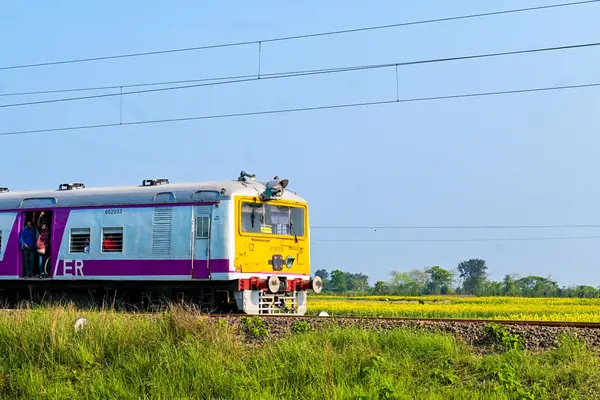
Ramayana Circuit by Train: Ayodhya to Varanasi
A 6-day rail itinerary tracing the Ramayana through Ayodhya, Prayagraj, Chitrakoot and Varanasi, with real trains and journey times for each leg.
 TrainLiveStatus Desk · Updated · 4 min read
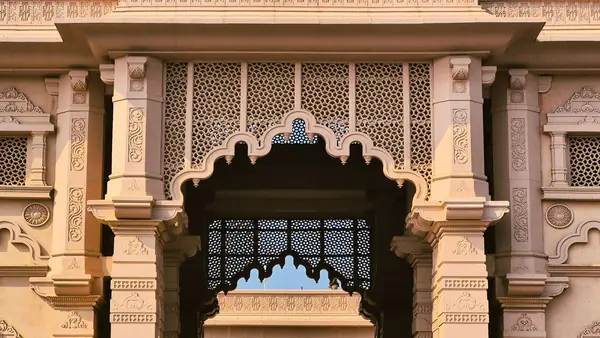
Photo: Ansh Yati / Pexels
Ayodhya, Prayagraj, Chitrakoot and Varanasi trace a real thread through the Ramayana's early chapters, Rama's birthplace, the route of his exile, and the forest years that followed, and all four now sit on workable rail links. This circuit follows that thread rather than a straight line on the map, since the story itself didn't move in a straight line either.
The route at a glance
| Day | Where | Train |
|---|---|---|
| 1-2 | Ayodhya | Arrive by rail |
| 3 | Ayodhya to Prayagraj | Vande Bharat (22549) |
| 4 | Day trip to Chitrakoot | PRYJ GWL Express (11802) |
| 5 | Prayagraj to Varanasi | Sarnath Express (15160) |
| 6 | Varanasi, Sarnath, depart | - |
Day 1-2: Ayodhya, the birthplace
Give Ayodhya a full two days. The Ram Mandir is the obvious centrepiece and draws heavy crowds, so an early visit is worth planning for. Hanuman Garhi, built on the spot where tradition holds Hanuman lived to guard the city, and Kanak Bhawan, believed to have been gifted to Sita, both sit within a compact pilgrimage circuit you can walk between. The ghats along the Saryu river are worth an evening for the aarti, a quieter counterpart to Varanasi's better-known river ceremony.

Day 3: Ayodhya to Prayagraj
Take the Vande Bharat (22549), departing Ayodhya at 08:17 and reaching Prayagraj by 13:35, a little over five hours. It does not run on Saturdays. Prayagraj's link to the story runs through Bharadwaj Ashram, traditionally identified as the hermitage where sage Bharadwaj advised Rama, Sita and Lakshmana at the start of their exile, on which direction to take into the forest. The Sangam, the confluence of the Ganga, Yamuna and the mythical Saraswati, is Prayagraj's other major draw and worth an evening boat ride out to the meeting point of the rivers.

Day 4: a day trip to Chitrakoot
Chitrakoot, where Rama, Sita and Lakshmana are believed to have spent a significant part of their forest exile, is reachable from Prayagraj on the PRYJ GWL Express (11802), departing at 06:05 and arriving at Chitrakut Dham Karwi (CKTD) by 10:43, about four and a half hours. Ramghat, on the Mandakini river, and Kamadgiri, a forested hill that pilgrims circle on foot as an act of devotion, are the two main sites. For the return, the daily GWL PRYJ Express (11801) leaves Chitrakoot at 13:15 and reaches Prayagraj by 18:30, which gives you only about two and a half hours on the ground; later trains run on some days only, so check the planner, or stay the night. It's a long day trip, so treat it as a full day out from Prayagraj rather than trying to combine it with anything else.
Day 5: Prayagraj to Varanasi
The Sarnath Express (15160) covers Prayagraj to Varanasi in around three hours forty minutes, departing at 12:35 and arriving by 16:15, leaving the evening free for your first look at Varanasi's ghats and the Ganga Aarti at Dashashwamedh Ghat.

Day 6: Varanasi and Sarnath
Varanasi isn't part of the Ramayana narrative in the way the other three stops are, but as one of the oldest continuously inhabited cities in the world and a major pilgrimage centre in its own right, it's a natural and rewarding place to end this circuit. Sarnath, a short trip from the city centre, is where the Buddha gave his first sermon, worth an hour or two if you want a change of pace from the temple circuit of the previous days. Kashi Vishwanath Temple and a sunrise boat ride on the Ganga round out a full final day before departure.

How many days does this circuit realistically take
Six days covers it without rushing: two in Ayodhya, one travelling to and exploring Prayagraj, one for the Chitrakoot day trip, and two around Varanasi including Sarnath. It compresses to five if you drop the Chitrakoot leg, which is the most time-consuming single day of the four, but also the one most specifically tied to the story's forest years rather than its opening and closing chapters.
Best time of year
October to March gives the most comfortable temperatures for walking around ghats and temple circuits across all four cities. Ram Navami, usually falling in March or April, brings enormous crowds to Ayodhya specifically, worth experiencing if that's what you want from the trip, but plan for very different logistics, transport and accommodation than a normal visit.
Food along the way
Each of these cities has its own simple, pilgrimage-town food culture worth trying rather than skipping in favour of familiar options. Ayodhya and Varanasi both do a strong line in kachori-sabzi for breakfast, and Varanasi's paan and the thandai sold near the ghats are worth trying once, even if only out of curiosity. Prayagraj's food scene leans toward straightforward North Indian vegetarian fare, easy to find near the Sangam and the main market areas, and Chitrakoot, being a smaller pilgrimage town, is best treated as a day trip rather than a place to plan a meal around.
Places in this guide
- Kanak Bhawan
- Ram Mandirabout 1.1 km from Ayodhya in a straight line
- Dashashwamedh Ghat
- Sarnath
- Kashi Vishwanath Temple
- Chitrakut Dham Karwi station (CKTD)railway station
My plan
Order stops the way you will visit them with the arrows. Saved on this device only.
What will Ramayana Circuit cost you?
The grey numbers are rough placeholders, not quotes or prices we checked. Type your own figures; your entries stay on this device.
Tick off each day as you go
Use it on your trip
Frequently asked questions
What's the best train sequence linking Ayodhya and Varanasi?
Ayodhya to Prayagraj by Vande Bharat, then Prayagraj to Varanasi by the Sarnath Express, with an optional Chitrakoot day trip from Prayagraj in between.
How many days should this pilgrimage circuit take?
Six days: two in Ayodhya, one in Prayagraj, one for the Chitrakoot day trip, and two around Varanasi and Sarnath. Drop Chitrakoot to compress it to five.
Which other Ramayana-linked sites are reachable by train nearby?
Chitrakoot, where Rama, Sita and Lakshmana are believed to have spent part of their forest exile, is reachable from Prayagraj by direct train in about four and a half hours.
Is Prayagraj worth adding to this same trip?
Yes. Beyond the Sangam, Prayagraj's Bharadwaj Ashram is traditionally linked to the start of the exile, and it sits conveniently between Ayodhya and both Chitrakoot and Varanasi on this route.
Sources
Rules and fares change. Check the official source before you travel. Last reviewed 2 October 2026.