Things to Do in Kaziranga After You Get Off the Train
Furkating Jn (FKG) is the railhead for Kaziranga, about 75 km from the park's Kohora gate. Real distances to the safari ranges and when the park is open.
 TrainLiveStatus Desk · Updated · 4 min read
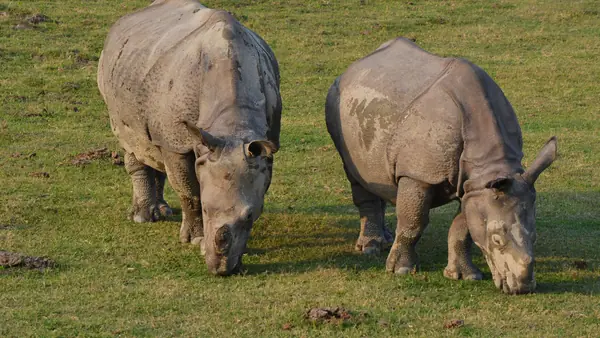
Photo: Ravi Mittal / Pexels
Kaziranga has no railway station of its own; Furkating Jn (FKG), a junction on the main Northeast Frontier Railway network, is the closest railhead, about 75 km from Kohora, the park's main entrance and tourist hub. A taxi from Furkating covers the distance in roughly one and a half to two hours, making it a manageable final leg rather than a full day's travel.
Getting from Furkating to Kaziranga
Taxis wait outside Furkating station, and pre-arranging one through your hotel or a local travel counter is the simplest option, since Furkating itself is a small junction town without much else to do while you wait. If your train arrives in the morning, you can realistically be at your Kohora-area accommodation and out on an afternoon safari the same day.
The four safari ranges
| Range | Known for | Entry point |
|---|---|---|
| Central (Kohora) | Most popular, good rhino sightings | Kohora, the main gate |
| Western (Bagori) | Large herds, elephants | Bagori, west of Kohora |
| Eastern (Agaratoli) | Birdlife, wetlands | Agaratoli, further east |
| Burapahar | Quieter, forested terrain | Ghorakati, on the far western side |
The Central Range from Kohora is the default choice for most first-time visitors and tends to have the highest concentration of rhino sightings, which is why it's also the busiest. If you have two or more safaris planned across your stay, mixing in the Western or Eastern range gives a genuinely different landscape and a break from the more crowded Central range jeeps.
Elephant safari versus jeep safari
Jeep safaris cover more ground and run across all four ranges, giving the better shot at spotting the rhinos, wild buffalo and, less commonly, tigers that the park is known for. Elephant safaris, offered mainly in the Central range, get you closer to grazing rhinos in tall grass that a jeep can't safely enter, though on a shorter, slower route. Most visitors do at least one of each if time allows, since the two give genuinely different perspectives on the same landscape.
When to go
November to February brings the coolest, driest weather and the best overall visibility, with the grass cut back enough for good sightings. March and April get warmer but the vegetation is denser, which can make spotting harder even though animals are still active. October is a partial season as ranges reopen one by one, and from May to September the park is closed, so there's no real off-season alternative to plan around.
Where to stay
Kohora has the widest range of accommodation, from budget guesthouses to resort-style lodges, and staying there keeps you closest to the Central range's early-morning safari departures, which tend to have the best light and animal activity. Bagori and other range entry points have more limited options, generally fewer and more basic, so most visitors base themselves in or near Kohora and taxi out to the other ranges as needed, with the hotel usually able to arrange the jeep and driver for each morning's safari directly.

What Kaziranga is actually known for
Kaziranga holds the largest population of the greater one-horned rhinoceros anywhere in the world, and that's the animal most visitors are hoping to see, usually without much difficulty given the numbers. Beyond rhinos, the park is also genuinely good for wild Asiatic buffalo, swamp deer, and a healthy population of elephants, with tigers present but far harder to spot given the tall grass and their naturally elusive behaviour. Birdwatchers rate the park highly too, particularly the Eastern range's wetlands, which draw a wide range of migratory species in the cooler months.
What to pack for a safari
Early morning safaris start in genuinely cold air even though the day warms up quickly, so layers you can shed as the sun rises are worth packing, along with a hat and sunscreen for the open jeep rides later in the day. Binoculars make a real difference given how far some sightings can be across the open grassland, and a zoom lens is worth the extra weight if photography matters to you, since jeeps can't always get as close as you'd like.
What to pack for Kaziranga
Getting to Furkating by train
Furkating Jn sits on the main line through Assam, with trains from Guwahati and further afield, though it's a smaller station than Guwahati Jn with fewer direct long-distance services. Many visitors instead take a train to Guwahati (GHY) and continue by road, a longer drive but with far more train options to choose from; check both routes on our trip planner and confirm live running status before you travel, since a delayed overnight train changes how much of the same day is left for the onward drive and an afternoon safari.

What will Kaziranga cost you?
The grey numbers are rough placeholders, not quotes or prices we checked. Type your own figures; your entries stay on this device.
Use it on your trip
Frequently asked questions
How far are the main attractions from Kaziranga railway station?
Furkating Jn is about 75 km from Kohora, the park's main gate, roughly 1.5 to 2 hours by road. The other safari ranges are a further short drive from Kohora itself.
What is the best time of year to visit Kaziranga?
November to February for the coolest weather and best visibility. The park is closed from roughly May to September for the monsoon floods and reopens range by range from October.
Can Kaziranga's highlights be covered in a single day from the station?
One safari, jeep or elephant, in the Central range is possible on a tight single day, but most visitors stay at least one night to fit in safaris across more than one range and both morning and afternoon slots.
Is prepaid auto or taxi available right outside Kaziranga station?
Furkating station has taxis available, best pre-arranged through your hotel or a travel counter given the town itself has limited standing options.
Which trains connect most easily to Kaziranga?
Furkating Jn has fewer direct long-distance trains than Guwahati Jn, so many visitors travel to Guwahati instead and continue to Kaziranga by road, trading a longer drive for far more train choices.
Sources
Rules and fares change. Check the official source before you travel. Last reviewed 3 October 2026.