Durga Puja in Kolkata: Howrah or Sealdah station
Reaching Kolkata for Durga Puja via Howrah or Sealdah, metro access to pandals, and how to navigate the festival by train and local transport.
 TrainLiveStatus Desk · Updated · 4 min read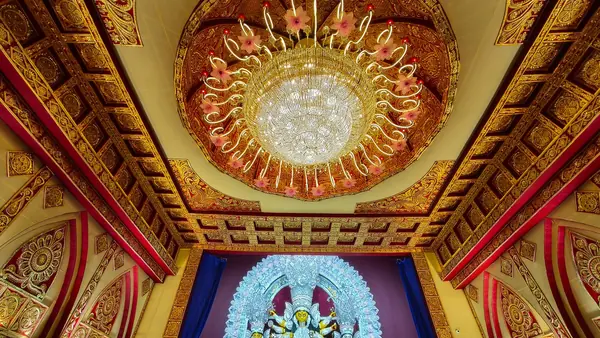
Photo: Monojit Dutta / Pexels


Durga Puja transforms Kolkata each autumn, and getting there by train is the start of the festival itself. The journey ends at one of two major stations: Howrah Junction (HWH) on the west bank of the Hooghly, or Sealdah (SDAH) on the Kolkata side. Both are large hubs with metro connections into the city.
Howrah vs Sealdah: which to aim for
| Station | Best for | Metro link | To city |
|---|---|---|---|
| Howrah (HWH) | Long-distance trains from most parts of India | Yes, Green Line, towards Esplanade and Sealdah | Across the Hooghly into central Kolkata |
| Sealdah (SDAH) | Trains from north and east Bengal, and a base on the Kolkata side | Yes, Green Line | Already on the city side, closer to North and central Kolkata |
Your train decides the station for most trips, so check the arrival station before you book. If you can choose, Sealdah saves the river crossing, which can be slow when Puja traffic builds up. Our station pages show live boards and how many trains use each station.
Three festival zones and where to stay
Durga Puja pandals are spread across the whole city. A simple way to plan is by area, and to pick a hotel close to a metro station.
North Kolkata: heritage Pujas
Areas such as Shyambazar and Sovabazar are known for old family and neighbourhood Pujas, including the Sovabazar Rajbari Puja. Sealdah is the nearer station for this belt. Check the metro map and route on the day, as which line and interchange you need depends on the pandal.

Central Kolkata
Esplanade, Park Street and the area around them have many hotels and restaurants and are well connected by metro and taxis. It is a convenient base for day trips into other belts.
South and east Kolkata
Ballygunge, Kalighat, Alipore and Salt Lake host some of the city's best-known theme pandals. These are further out, so plan your transport in advance, and expect heavy road traffic in the evenings.
Getting to pandals: metro, cabs and crowds
Road traffic during Durga Puja can slow to a crawl in the evenings, so the metro is usually the most reliable way to cover distance. Metro timings are often extended during the festival, but the schedule is announced by Kolkata Metro each year, so check it from the official source for your dates.
App cabs work reasonably well earlier in the day. In the evening, many roads around big pandals are closed to vehicles, so expect to walk the last stretch. Walking through the back lanes in the afternoon is also a good way to see smaller pandals with thinner crowds.
Set out early, carry water, and plan to be back for dinner before the late-evening crush.
Trains to Howrah from major cities
The HWH Rajdhani (12302) runs from Delhi (NDLS) to Howrah, leaving Delhi at 17:05 and arriving the next morning, on Mon, Tue, Wed, Thu, Sat and Sun (not daily). Other Delhi to Howrah options are listed in the best trains between Delhi and Kolkata guide. From other cities, use the trip planner, which also shows seat availability, confirmation chances and options with two-train connections. Book as early as your booking window allows, because trains to Kolkata fill up before Puja.

A simple checklist for the day you arrive
- Check your train's live running status on its page before leaving for the station, so you know the real arrival time.
- Note which station your train ends at and whether the Green Line metro is the quickest way to your hotel.
- Keep your hotel address and the nearest metro station saved on your phone, because mobile networks can be slow near big crowds.
- Carry a small power bank, since you will use maps and tickets on your phone all day.
- Plan your first evening close to the hotel, and keep the bigger pandals for later in your stay.
- Book your return train when you book the outbound one, since return trains fill up soon after the festival.
What to pack and when to go
October in Kolkata is usually warm and humid, with occasional rain, so carry light cotton clothes, comfortable walking shoes, an umbrella and a small bag for water. You will walk a lot between pandals.
The main Puja days (Shashthi to Dashami) fall in the third week of October in 2026, with Mahalaya some days earlier. Exact dates and pandal opening times are announced locally, so confirm them before you book. The last days are the most crowded, and the earlier days are usually easier for seeing pandal details.
After Puja: extending your stay
If you have time, the days after Puja are calmer. Read about places near Kolkata railway station, plan a seaside break with Digha by train, or look at Darjeeling from Kolkata if you have extra days.
Use it on your trip
Frequently asked questions
Which station is better for Durga Puja: Howrah or Sealdah?
It depends on your train. Howrah has long-distance trains from many parts of India, while Sealdah is on the Kolkata side of the river and is a good start for North Kolkata. Both have metro links, so choose the station your train reaches.
What is the best way to travel between pandals during Puja?
The metro is usually the most reliable in the evenings, when road traffic is heavy and some roads near pandals are closed to vehicles. Afternoon walks are less crowded. App cabs work better earlier in the day.
How many days do you need for Durga Puja?
Two or three days is enough for a good range of pandals. The main festival days are Shashthi to Dashami, and the last days are the busiest.
Is it a good idea to go on the last days of Puja?
The last days are the most spectacular but also the most crowded. Earlier days are usually easier for seeing pandals in detail.
Can I get last-minute tickets to Kolkata for Durga Puja?
Trains fill up fast during Puja season. Book as early as your booking window allows, and use the trip planner to check alternative stations and connections if your train is waitlisted.
Sources
Rules and fares change. Check the official source before you travel. Last reviewed 3 October 2026.