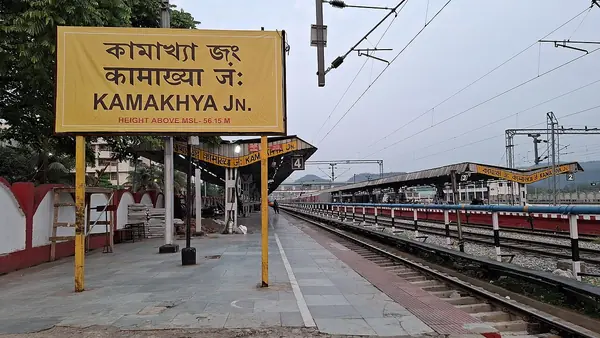
Major Junction Stations: Changing Trains Without Missing It
Real platform-to-platform walk times and buffer advice for changing trains at Vijayawada, Itarsi and Pt. Deen Dayal Upadhyaya junction, plus when a porter helps.
 TrainLiveStatus Desk · Updated · 4 min read
Photo: Luke John, CC BY-SA 4.0
Big junctions are where a lot of connecting journeys go wrong, not because the trains are late, but because the platform-to-platform walk takes longer than planned. A 20-minute gap that looks fine on paper can turn into a sprint with luggage, or a missed train, at a station with eight or more platforms spread over a long footbridge.
Why junctions are different from a simple station stop
At a busy junction, your arriving train might come in on platform 1 while your connecting train leaves from platform 8, and getting between them means a footbridge or subway, often crowded with other passengers doing the same thing. Announcements help, but they're one more thing competing for your attention while you're also managing bags and figuring out which staircase to take.
Three junctions worth knowing in detail
| Junction | What makes it tricky | Buffer to budget |
|---|---|---|
| Vijayawada Jn (BZA) | One of India's busiest junctions by train count; platforms spread wide, heavy footfall most of the day | 40 to 45 min for a platform change |
| Itarsi Jn (ET) | Major crossing point for north-south and Mumbai-Kolkata traffic; connecting trains in different directions often use platforms far apart, so check the board as soon as you arrive | 30 to 40 min |
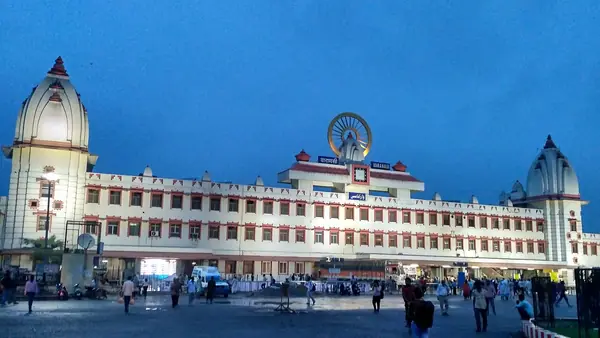
| Pt. Deen Dayal Upadhyaya Jn (DDU) | A key junction on the Howrah-Delhi main line (formerly Mughalsarai), extremely high traffic with a wide platform spread | 40 to 45 min |

Checking your platform in advance
Platform numbers at big junctions can shift close to arrival time, especially if there's a scheduling clash or a late-running train ahead of yours on the same line. The safest approach is to check the number on the station's own display boards or announcement once you've actually arrived, rather than relying on what an app or a booking confirmation showed hours earlier. Our station live board pages show current arrivals and expected platforms where the data is available, which is a useful cross-check before you start walking.

Do porters help with a tight connection?
Yes, and at a station like Vijayawada or DDU this is genuinely one of the better uses of a porter's help. A licensed porter (identifiable by a numbered armband and railway-issued fare card) knows the platform layout, the fastest route between specific platforms, and can carry heavy bags while you move faster unencumbered. Agree on the fare before they pick up your luggage, based on the official per-bag rate posted at the station, and be specific about which platform you're headed to so they take the most direct route rather than a general one.
A practical checklist for a tight junction change
- Before boarding your first train, note both platform numbers if you already know them, and check the live running status of both trains.
- As you approach the junction, get your bags together and be near the door 10 minutes before arrival so you're not fumbling once the train stops.
- On arrival, look at the nearest display board first, not just the one at your platform, since the connecting train's platform may be posted differently.
- If the gap is under 20 minutes and you have heavy luggage, hire a porter immediately rather than trying it alone.
- If you genuinely can't make it, most junctions have a next train on the same route within a few hours; check the station enquiry or your ticket's TDR options if the missed connection isn't your fault.
When the connection isn't officially timetabled
If you're building your own connection rather than booking a through-ticket, for example changing trains at Itarsi between two unrelated bookings, treat the buffer even more generously, since there's no railway obligation to hold anything for you. Our trip planner shows two-train connections with realistic gaps built in when you search a route without a single direct train, which is a safer starting point than picking two schedules yourself and hoping the platforms are close.
What to do if you miss it anyway
Missing a connection at a big junction isn't rare, and station staff deal with it often. Head to the enquiry counter or the station superintendent's office to ask about the next available train on your route, and if you're holding a confirmed ticket for the missed train, ask about your options rather than assuming you've lost the fare outright. Our what to do if you miss your train guide covers this in more depth, including when a TDR applies.
Reading the station layout on arrival
Most large junctions have a station map posted near the main entrance and at the foot of footbridges, showing which platforms are grouped together and where the shortest crossing points are. At stations built with a long island platform arrangement, like several big junctions, some platform pairs are a short walk apart while others require a full footbridge crossing, so a same-number difference in platforms (say platform 3 to platform 4) doesn't always mean a short walk. Take a few seconds to check the layout rather than guessing based on the numbers alone.
Food and water stops without losing your connection
Big junctions are also where most people grab a quick meal or refill water between trains, which is reasonable if your gap is generous but risky if it's tight. If you have 45 minutes or more, a quick platform vendor stop is usually fine; under 30 minutes, it's safer to carry food and water onto the train and eat once you're seated and moving, rather than risk missing the departure over a cup of tea.
Trains arriving and leaving in the next few hours
Expected times and delays for every train at the station, updated through the day.
Where is your train right now?
Live position, expected arrival at every stop and the delay history of the last few weeks.
Use it on your trip
Frequently asked questions
Which junctions are notorious for long platform-to-platform walks?
Vijayawada, Itarsi and Pt. Deen Dayal Upadhyaya are three of the busiest, with wide platform spreads and heavy footfall that can make even a short-looking connection take 30 to 45 minutes on foot.
How much time should I budget at a big junction like Vijayawada or Itarsi?
At least 30 to 45 minutes if platforms differ, more if you're carrying heavy luggage or either train is running late. Treat the printed timetable gap as a minimum, not a comfortable margin.
Is there a way to check which platform my connecting train will use in advance?
Platform assignments can change close to arrival, so the most reliable check is the station's own display board once you've arrived, rather than an app or booking page checked hours earlier.
Do porters help specifically with tight junction changes?
Yes. A licensed porter knows the fastest route between platforms and can carry luggage while you move quickly. Agree on the fare using the posted rate before they take your bags.
Sources
Rules and fares change. Check the official source before you travel. Last reviewed 4 October 2026.