Major Railway Station Redevelopment Projects to Watch in 2026
What the Amrit Bharat Station Scheme actually changes for passengers, which major stations are being redeveloped, and how to plan around construction.
 TrainLiveStatus Desk · Updated · 4 min read
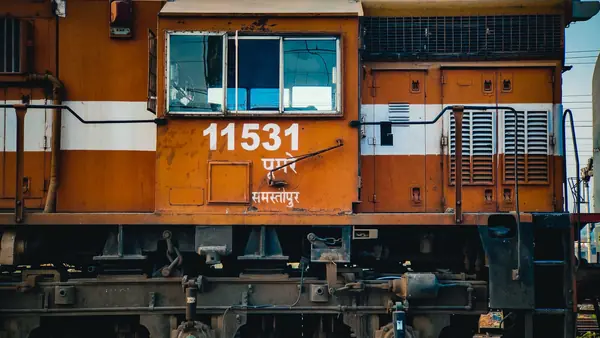
Photo: dharamveer / Pexels
Station redevelopment is one of those stories that's always "in progress" somewhere in India, since the scale of it is enormous: over a thousand stations are part of the current plan. Rather than chasing exact completion dates, which shift, it's more useful to understand what the scheme is actually trying to change and what that means for you on a normal travel day.
Which stations are being redeveloped under the current scheme?
The Amrit Bharat Station Scheme is the umbrella programme behind most of this work, covering over 1,300 stations nationwide in phases, ranging from smaller district stations to major metro hubs. A handful of flagship stations have already reopened in redeveloped form, including Rani Kamlapati in Bhopal and Gandhinagar Capital (both rebuilt under earlier redevelopment projects that came before the scheme) and Ayodhya Dham Junction, each rebuilt with modern terminals, better passenger facilities and, in some cases, an attached hotel or commercial space. Larger, more complex hubs including New Delhi, Mumbai CSMT and Secunderabad are also part of the broader redevelopment push, though as very high-traffic, architecturally complex stations, their timelines run longer and in more phases than a smaller station's rebuild.
What does a redeveloped station typically add for passengers?
Across most redevelopment projects, the recurring upgrades are broadly similar:

- Wider, less congested circulating areas outside the station for pickup, drop-off and parking.
- Separate entry and exit points, sometimes on different sides of the station, to reduce crowding at a single gate.
- Lifts, escalators and better accessibility for elderly and disabled passengers moving between platforms.
- Improved signage and passenger information displays, making it easier to find your platform without asking around.
- Retail and food court spaces, replacing older, more scattered vendor setups in some cases.
- A "roof plaza" concept at some larger redevelopments, an elevated concourse spanning platforms with waiting areas and shops.
Will redevelopment cause disruption to my travel meanwhile?
Yes, this is worth planning around rather than being surprised by. A station under active construction commonly has temporary changes: a different entry gate than usual, a platform that's been renumbered or relocated, or a longer walk between the circulating area and your platform while permanent structures are being built. If you're travelling through a station you know is mid-redevelopment, allow extra time and check for current notices about entry points, since these can change during the construction phase in ways a printed guidebook or an old blog post won't reflect.
Which redevelopment project is furthest along right now?
Among the flagship examples, the smaller, self-contained rebuilds like Rani Kamlapati, Gandhinagar and Ayodhya Dham reached completion and reopened well ahead of the larger metro hubs, simply because a single-site rebuild is a smaller undertaking than redeveloping a station handling the volume of traffic that New Delhi, Mumbai CSMT or Secunderabad does while keeping it operational throughout. For the most current status of any specific major hub's progress, the official Indian Railways and PIB announcements are the reliable source, since a status published even a year ago can be out of date given how these multi-year projects evolve.
| Category | Examples | Status pattern |
|---|---|---|
| Smaller flagship rebuilds | Rani Kamlapati, Gandhinagar, Ayodhya Dham | Completed and reopened |
| Major metro hubs | New Delhi, Mumbai CSMT, Secunderabad | Longer, multi-phase, ongoing |
| Wider scheme | Over 1,300 stations nationwide | Rolling out in phases |
How to plan around a station mid-redevelopment
Live running status and platform information for your train don't change because a station is under construction, our live running status pages track your train's progress the same way whatever state the station building is in. What does change is the physical navigation: which gate to use, where the taxi stand has moved to, or whether a familiar shortcut is currently blocked off. If you're arriving somewhere unfamiliar or mid-construction, build in a slightly longer buffer than you normally would, and check the station's live board for your specific train rather than relying on an old layout in your head.

Redevelopment timelines, budgets and the specific scope of each project are managed by Indian Railways and can change, so for confirmed details on any single station's current phase, the official railway and PIB sources remain the most reliable reference.
Why this matters beyond aesthetics
It's easy to read redevelopment news as just a cosmetic upgrade, but the practical changes, wider platforms, better crowd flow at entries and exits, working lifts, genuinely reduce the friction of travelling through a busy station, especially for anyone carrying heavy luggage, travelling with children, or needing step-free access. For a frequent traveller through one of these hubs, the redevelopment is worth tracking not for the architecture but for the day it actually changes how long it takes you to get from the gate to your platform.
Where is your train right now?
Live position, expected arrival at every stop and the delay history of the last few weeks.
Use it on your trip
Frequently asked questions
Which stations are being redeveloped under the current scheme?
Over 1,300 stations nationwide under the Amrit Bharat Station Scheme, ranging from smaller stations already reopened, such as Rani Kamlapati and Ayodhya Dham, to larger multi-phase projects at hubs like New Delhi, Mumbai CSMT and Secunderabad.
What does a redeveloped station typically add for passengers?
Wider circulating areas, separate entry and exit points, lifts and escalators, better signage, and improved retail and food court spaces, with some larger stations adding an elevated roof plaza concourse.
Will redevelopment cause disruption to my travel meanwhile?
Yes, expect temporary changes to entry gates, platform access or walking routes during active construction. Check current on-site notices rather than relying on an old layout, especially if you haven't passed through recently.
Which redevelopment project is furthest along right now?
Smaller, self-contained rebuilds like Rani Kamlapati and Ayodhya Dham completed faster than the larger metro hubs, which involve redeveloping in phases while keeping heavy daily traffic running. Check official Indian Railways updates for the current status of any specific station.
Sources
Rules and fares change. Check the official source before you travel. Last reviewed 13 October 2026.